13 Ways to Build Lean Muscle Without Gaining Belly Fat
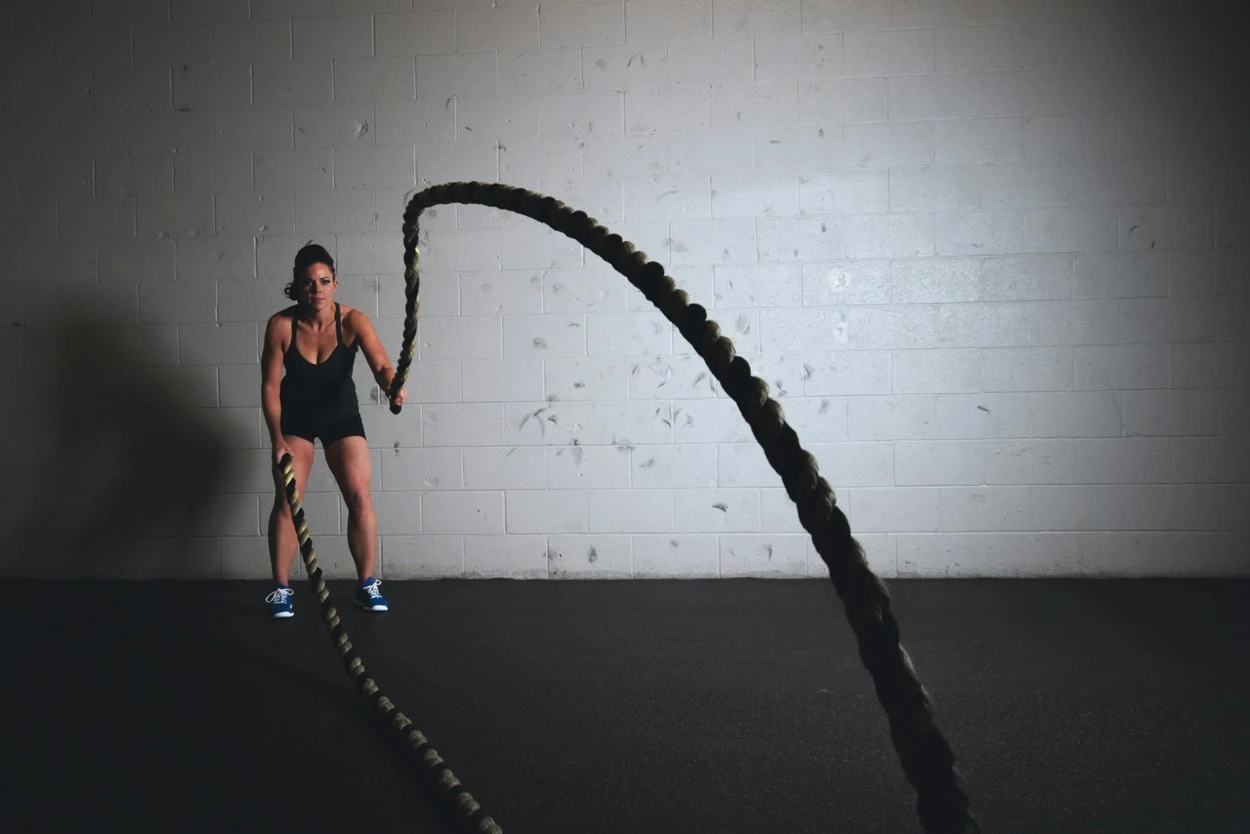


Learning how to build lean muscle without gaining belly fat starts with a clear goal: add muscle through steady training and nutrition, while keeping fat gain minimal. This guide explains the core habits that support lean muscle gain, including food, training, recovery, and progress tracking.
Lean muscle gain means building muscle while limiting extra body fat. Some fat gain can occur during a muscle-building phase. The aim is not perfection. It is a controlled approach that keeps changes gradual.
Lean muscle and a bulky look often reflect different calorie and training approaches. A large surplus may raise body weight faster. A controlled surplus, resistance training, and regular tracking support a more measured outcome.
Belly fat can increase when calorie intake rises far beyond training needs. This is why a ‘dirty bulk’ can work against body composition goals.
A calorie surplus gives the body energy for muscle growth. Keep it controlled rather than eating without limits. A very small increase, such as 100 calories per day, may not always be enough to trigger hypertrophy. Adjust intake based on your strength, measurements, and visible progress.
Protein for muscle supports repair after resistance training. A commonly used target is about 1 gram of protein per pound of body weight. Protein also takes energy to digest, which can support fat-management efforts within a balanced diet.
Choose whole-food protein sources that fit your diet. Protein powders can also help close a gap when meals fall short. Wellbeing Nutrition Whey Protein is designed as a gut-friendly, high-absorption option to support protein intake.
Include protein in meals before and after your workout for muscle. Focus on total daily intake first. Consistency matters more than chasing a narrow timing window.
Progressive overload is the main training signal to build muscle. Over time, increase the challenge through more weight, repetitions, sets, or better control. Strength training gives your body a reason to use nutrition for muscle repair and growth.
HIIT can complement resistance training when fat control is a priority. Short intervals can support energy use while your strength work remains the main exercise for muscle. For those also looking to lose belly fat, combining HIIT with a controlled surplus and progressive overload can support both goals simultaneously. Keep HIIT balanced so it does not reduce recovery quality.
Insight Corner: Why a Controlled Surplus Works Better Than Eating More.
A controlled surplus works best when resistance training gives those extra calories a job to do.
Rest days support muscle repair after hard sessions. They also help you manage overall training stress. Plan rest with the same care as your workout for muscle, especially when strength sessions or intervals feel demanding.
Nutrition for muscle includes more than protein. Nutrient-rich carbohydrates can fuel training, while dietary fats contribute to a balanced eating pattern. Build meals around foods that support your training rather than relying on excess calories.
Place carbohydrate-rich meals around training when they can support workout performance and recovery. Your total calorie intake still matters most for body fat reduction.
Hydration supports muscle function and workout performance. Drink fluids regularly across the day, not only during exercise. This simple habit can make a workout feel more manageable.
Stress management belongs in a lean muscle plan. High stress can affect recovery and may make belly-fat management harder. Use regular rest, realistic training loads, and consistent sleep routines to support recovery. Magnesium supplementation, such as a triple-form magnesium complex, is studied for its role in supporting stress response, sleep quality, and muscle function—factors that matter during a lean muscle phase.
Male-focused plans often discuss testosterone, but the fundamentals remain the same. Use progressive resistance training, adequate protein, a controlled surplus, and recovery. Track waist changes alongside strength gains rather than judging progress by body weight alone.
Females can use the same core muscle-building principles. Individual hormonal patterns and fat distribution can affect how body changes appear. A steady plan is more useful than aggressive bulking or frequent diet changes.
A toned look usually reflects muscle development with lower body fat. Moderate resistance training, high protein intake, HIIT, and calories near maintenance or in a slight deficit can support this goal.
Scale weight alone cannot show whether you gained lean body mass or body fat. Use waist and body measurements, progress photos, how clothes fit, and a strength log. These tools help you spot whether your plan needs a small adjustment.
The most common issues are an excessive surplus, insufficient protein, and no progressive overload. Avoid changing everything at once. Review your food intake, training performance, and measurements before making a focused change.
Use a controlled calorie surplus, adequate protein, progressive overload, and balanced HIIT. Track body changes so you can adjust early.
Train with resistance consistently, eat enough protein, increase training demands over time, and allow enough recovery.
Building lean muscle is a gradual process. Visible changes may take several weeks to months depending on training consistency, protein intake, and recovery quality.
Use moderate resistance training, high protein intake, HIIT, and calories at maintenance or in a slight deficit.
Lean muscle gain depends on a controlled surplus, protein, progressive training, recovery, and clear progress tracking. Focus on repeatable habits instead of rapid changes. Wellbeing Nutrition offers supplements made with superior ingredients, highly absorbable formats, palatable flavors to fit a thoughtful wellness routine.




Someone sent you


