Boost Your Stamina After 40: Proven Ways to Reclaim Your Energy


Energy can feel less predictable after 40. Yet stamina can still improve with steady training, sound recovery, and nourishing food. This guide explains how to improve stamina after 40 with practical steps for cardio, muscle strength, joint health, and energy levels.
Stamina is your ability to sustain physical or mental effort over time. It depends on heart and lung function, muscle strength, movement skill, sleep, and recovery.
With age, VO2 max, muscle mass, and hormone levels can shift. These changes may affect endurance training and how quickly you recover. They do not mean you should stop training. They mean your plan may need more care and gradual progress.
Testosterone can decline with age. This may affect muscle maintenance, training drive, and workout recovery. Regular strength work, cardio workouts, sleep, and enough food can support a consistent routine.
Perimenopause can bring estrogen shifts. Some women notice changes in sleep, body temperature, mood, and training capacity. Flexible training days and strength work can help you adapt without forcing intensity.
Insight Corner: Consistency Builds Capacity
A session that feels manageable and repeats each week can do more for stamina than occasional hard workouts.
Choose cardio workouts you can repeat with good form. Walking, cycling, swimming, and easy running can build endurance while being kind to joint health. Start at a pace where you can speak in short sentences.
High intensity interval training can fit into a stamina plan, but it should not dominate it. Use shorter work periods, longer rests, and low impact movements such as cycling. Stop if pain, dizziness, or unusual breathlessness occurs.
Build running stamina by adding time or distance slowly. Alternate easy running with walking if needed. Keep most runs comfortable, then add short faster efforts only when easy sessions feel stable.
Muscle strength supports each step, pedal stroke, and swim stroke. Strength training twice a week can complement endurance training. Focus on controlled compound movements such as squats, deadlifts, pushes, pulls, and loaded carries.
Use a range of motion that feels comfortable for your joints. Start with light resistance and learn the movement first. Add load, repetitions, or sets over time rather than changing everything at once.
Home training can build fitness over 40 without complex equipment. Begin with chair squats, wall pushups, glute bridges, step ups, and marching in place. These stamina exercises train large muscle groups and raise your heart rate.
Progress by adding a few repetitions, another round, or a slower lowering phase. If a movement irritates a joint, reduce the range or choose a different exercise. Discomfort from effort is different from sharp pain.
Food supports training, recovery, and steady energy levels. Build meals around protein, fruits, vegetables, whole grains, and other foods that suit your needs. Hydration also matters, especially in warm weather or after sweat loss.
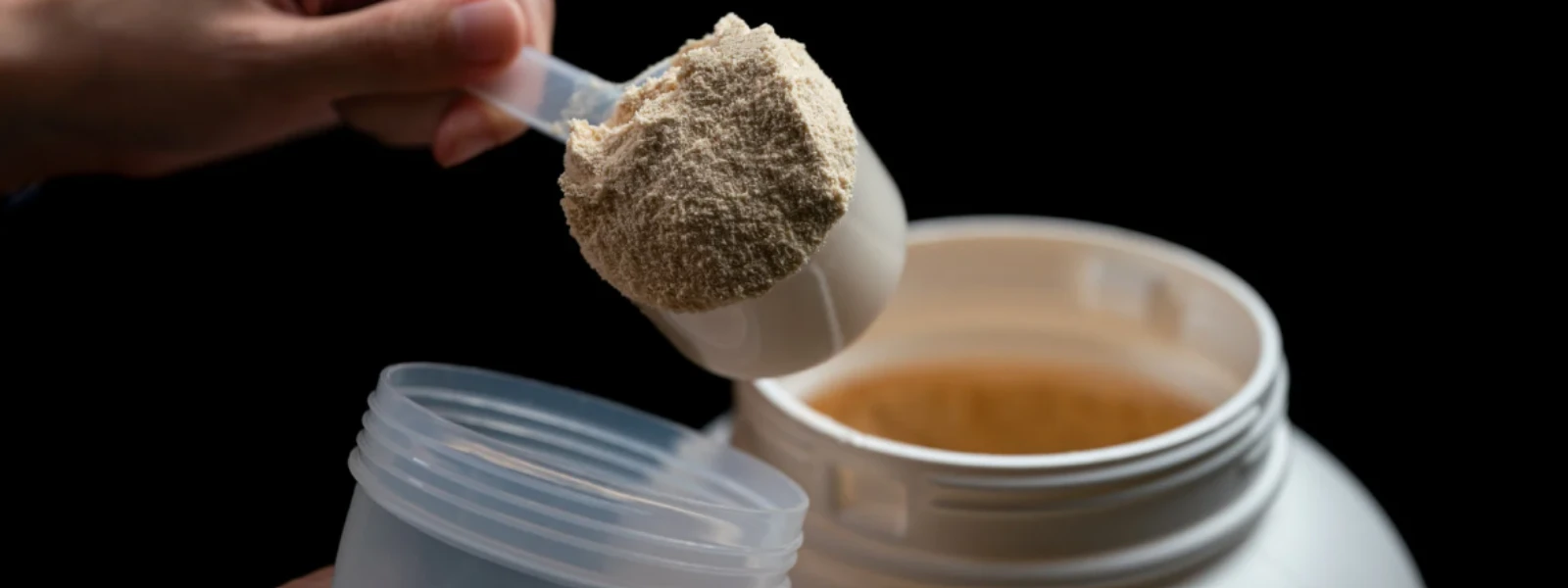
Protein intake helps support muscle repair after resistance training. Include a protein rich food across meals instead of relying on one large serving. Your individual needs can vary with body size, activity, and health status, so seek qualified guidance for a personal target.
Whole foods remain a useful base. Some people also use protein products for convenience. Wellbeing Nutrition focuses on superior ingredients, highly absorbable formats, and palatable flavors to support everyday nutrition goals.
Workout recovery is part of training, not a break from it. Prioritise regular sleep, easy movement, and rest days. Gentle walks, mobility work, and light cycling can help you stay active without adding heavy fatigue.
Pay attention to joint health. Persistent pain, swelling, or a sudden change in performance deserves professional assessment. A lighter week may be useful when fatigue stays high.
A simple plan can make fitness over 40 feel more sustainable. Try two strength sessions, two or three easy cardio sessions, and at least one full rest day. Add one interval session only if you are recovering well.
For example, strength train on two nonconsecutive days. Walk, cycle, swim, or run easily on other days. Keep one day for complete rest or gentle mobility. Review your energy levels each week and adjust before exhaustion builds.
Train with resistance regularly and progress gradually. Include protein rich foods across the day. Hormonal changes can affect recovery, so adjust session intensity when sleep or energy is low.
Stamina means the capacity to sustain physical or mental effort over time. It differs from short burst strength, which is the ability to produce force briefly.
The term can describe different fitness frameworks, so it has no single meaning in this guide. Use any framework only if it balances cardio, strength, recovery, and your current ability.
No single exercise suits everyone. Resistance training and steady moderate cardio both support function, muscle strength, and endurance. The most useful choice is one you can perform safely and consistently.
To improve stamina after 40, train your heart and muscles, eat enough nourishing food, and protect recovery. Start at a level you can repeat, then build slowly. Wellbeing Nutrition offers products designed for people who value a considered approach to daily wellness and performance.




Someone sent you


