Build Muscle at Home: No Gym Equipment Needed for Strength
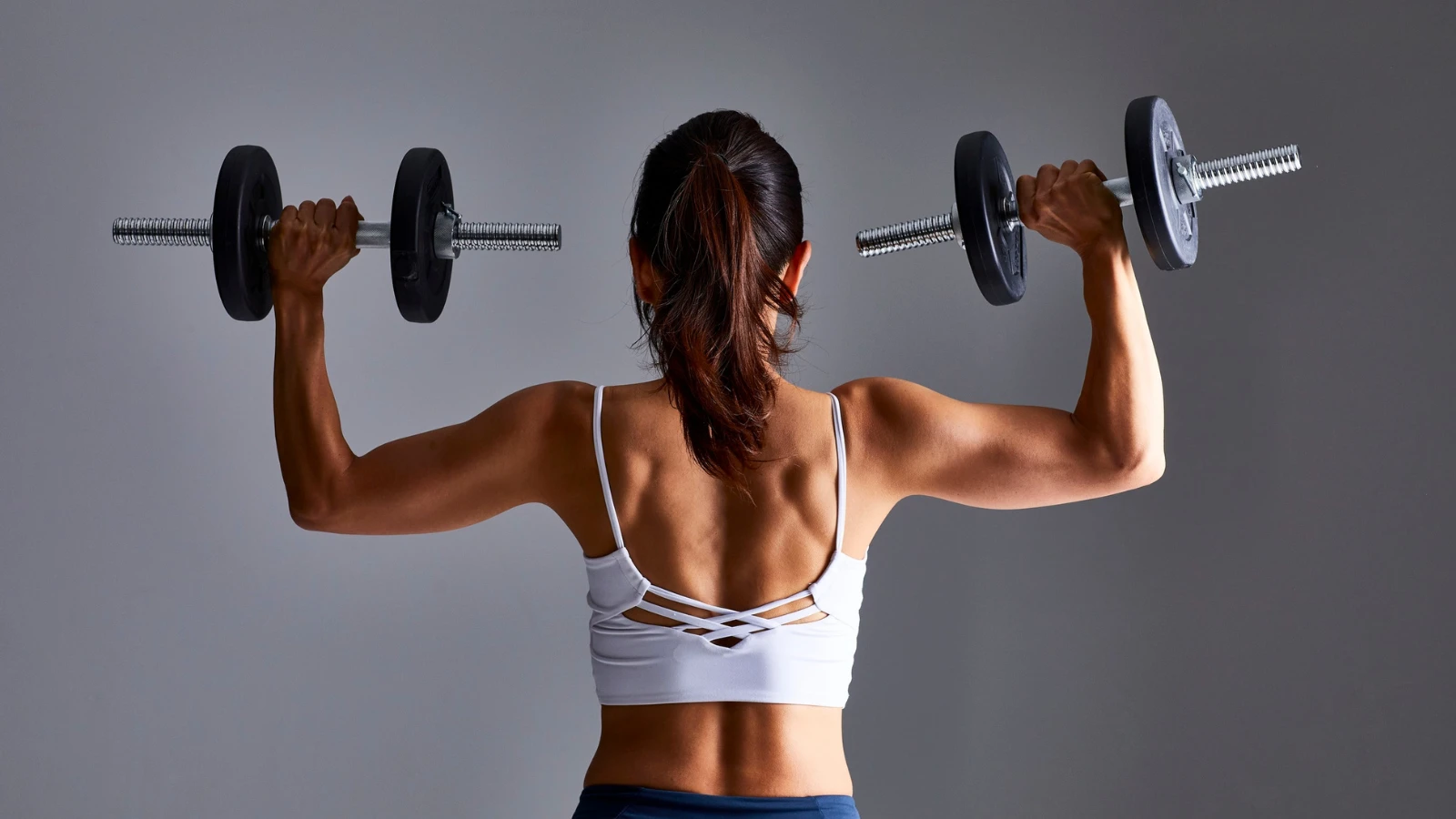


Learning how to build muscle at home without any gym equipment starts with a simple idea: muscles respond to challenge, not a building. Your body can provide that challenge through bodyweight exercises, careful form, and steady progression.
This guide explains how to plan a home workout for strength and muscle growth. You will learn which movements to use, how to make them harder, and how to track progress over time.
Yes. You can build muscle at home when an exercise creates enough muscular tension and you keep increasing the challenge. Push-ups, squats, lunges, dips, planks, leg raises, and burpees all use bodyweight as resistance.
Early progress can be especially clear for beginners. A home-only trainee can improve strength, control, and muscle size with consistent resistance training. The key is not repeating the same easy session forever.
Muscle growth depends on mechanical tension. This is the force a muscle produces while working against resistance. Weights can make resistance easier to measure. Bodyweight training can still create tension when sets are challenging.
Gym equipment offers many loading options. At home fitness requires more planning. You can use slower reps, longer sets, pauses, single-leg work, and harder variations. These changes help keep an exercise demanding.
This approach suits beginners, people who travel, and those who prefer to exercise at home. It can also work for experienced trainees who use difficult variations and train close to their current limit.
Female trainees can use the same core strength training principles as male trainees. Progress depends on effort, recovery, food intake, and a plan that fits the individual.
Three principles guide a productive home workout: progressive overload, time under tension, and training volume. None requires a home gym. If you want to build muscle fast, consistency and progressive overload matter more than shortcuts.
Progressive overload means doing more over time. Time under tension means keeping muscles working during a controlled repetition. Volume is the total work you complete across sets and reps.
First, add reps while keeping form clean. Next, slow the lowering phase. You can pause at the hardest point, such as the bottom of a squat. Then move to a harder variation.
For example, progress from wall push-ups to incline push-ups, knee push-ups, standard push-ups, and harder push-up variations. For legs, move from squats to split squats, then to single-leg focused work.
Insight Corner: Slow Reps, Stronger Gains
A slower rep can make familiar bodyweight exercises more challenging. Lower with control, pause briefly, then return with steady intent. Do not rush to add reps if your range of motion becomes shorter.
Train three or four days per week as a practical starting range. Leave enough recovery between hard sessions for the same muscle groups. Recovery needs differ, so adjust if soreness or fatigue affects form.
A beginner may prefer three full-body sessions. An intermediate trainee may use four sessions with different upper- and lower-body emphasis. Consistency matters more than an overly complex plan.
Choose movements that cover your upper body, lower body, and core. Focus on a few exercises long enough to improve them. This makes progress easier to see.
Push-ups train the chest, shoulders, and triceps. Change hand position or body angle to adjust difficulty. Incline variations reduce the load. Standard and harder variations increase it.
Dips can also challenge the chest, shoulders, and triceps. Use a stable surface and keep the movement controlled. If dips feel uncomfortable, use push-up variations instead.
Squats target the quads and glutes while teaching lower-body control. Use a slow descent or a pause to raise the challenge. Lunges train the legs one side at a time and can highlight side-to-side differences.
For more intensity, use split squats and longer ranges of motion where control allows. Keep your knee and foot aligned in a way that feels stable for you.
Planks train the core to resist movement. Keep your body in a straight line and breathe steadily. Leg raises challenge the front of the core when done with control.
Burpees combine a squat, plank position, and return to standing. They add full-body work and conditioning. Use them when you can maintain steady form rather than rushing each repetition.
Use this plan as a structure, not a fixed rule. Start with controlled sets. Stop each set when form begins to break down.
On day one, perform push-ups, squats, lunges, planks, and leg raises. On day two, rest or take an easy walk. On day three, repeat the session and aim for one more clean rep where possible. Rest again, then complete a third full-body session.
Begin with one or two sets per exercise. Build toward more sets only when you recover well and your technique stays consistent.
On day one, focus on push-up variations, dips, planks, and leg raises. On day two, focus on squats, lunges, split squats, and burpees. Rest on day three.
Repeat the upper-body focus on day four and the lower-body focus on day five. Use slower tempo, pauses, or harder variations before adding endless reps.
Training is one part of muscle building. Food, sleep, and consistency support the work you do during each session.
Include protein-rich foods as part of regular meals. Protein supports muscle repair after resistance training. If you use a protein supplement, choose one that fits your needs and overall diet.
Sleep supports recovery. Aim for a regular sleep routine and avoid treating hard training as a replacement for rest. Track your sessions, repeat the basics, and give your plan time to work.
Wellbeing Nutrition is built on Superior ingredients, highly absorbable formats, palatable flavors—principles that complement rather than replace a consistent training and nutrition routine. Supplements can support a routine, but they do not replace food, training, or recovery.
Women do not need a separate set of muscle-building rules. Progressive overload, adequate recovery, and regular protein intake still matter. Training may need to change based on energy, comfort, goals, and recovery.
If glute and lower-body strength is a goal, give squats, lunges, and split-squat variations regular space in the week. Use a full range of motion that you can control. Track reps and variations rather than relying only on how hard a session feels.
Higher-rep sets can be useful when bodyweight is your only resistance. Yet the final reps should still feel challenging while form remains sound. If an exercise becomes easy, adjust the tempo or leverage.
Keep a simple training log. Record the exercise, variation, sets, reps, tempo, and how controlled the session felt. This shows whether you are actually progressing.
Take occasional photos under similar conditions if physical change is a goal. Also note practical signs of progress, such as deeper squats, steadier planks, or more controlled push-ups.
Create a progression ladder for each exercise. For push-ups, list incline, knee, standard, and harder variations. Move up only when you can complete your current variation with strong form. This turns exercise at home into a measurable long-term plan.
Use challenging bodyweight exercises and apply progressive overload. Add clean reps, slow the tempo, add pauses, or choose harder variations over time. Train consistently and support recovery with regular meals and sleep.
In strength and bodyweight training, the 2-2-2 rule is most commonly referenced as a progression guideline: when you can complete two extra reps across two consecutive sessions, increase the difficulty in the next session. For bodyweight training, this might mean moving to a harder variation or adding a set. Apply it as a simple, trackable cue to ensure you are progressing rather than repeating the same effort indefinitely.
Muscle gain takes time. Pair consistent high-effort bodyweight training with enough food, regular protein intake, and recovery. Avoid chasing fast changes that lead to poor form or inconsistent habits.
Push-ups, squats, lunges, dips, planks, leg raises, and burpees are useful bodyweight exercises. Together, they train key upper-body, lower-body, core, and full-body movement patterns.
You can build strength and muscle without gym equipment by making bodyweight exercises progressively harder. Start with a repeatable home workout, train three or four days each week, and record your progress. Strong form, recovery, regular protein intake, and patience create the foundation. Explore Wellbeing Nutrition offerings to learn more about products designed to fit a thoughtful wellness routine.




Someone sent you


