Whey Protein Scoops: How much should You Take Daily?
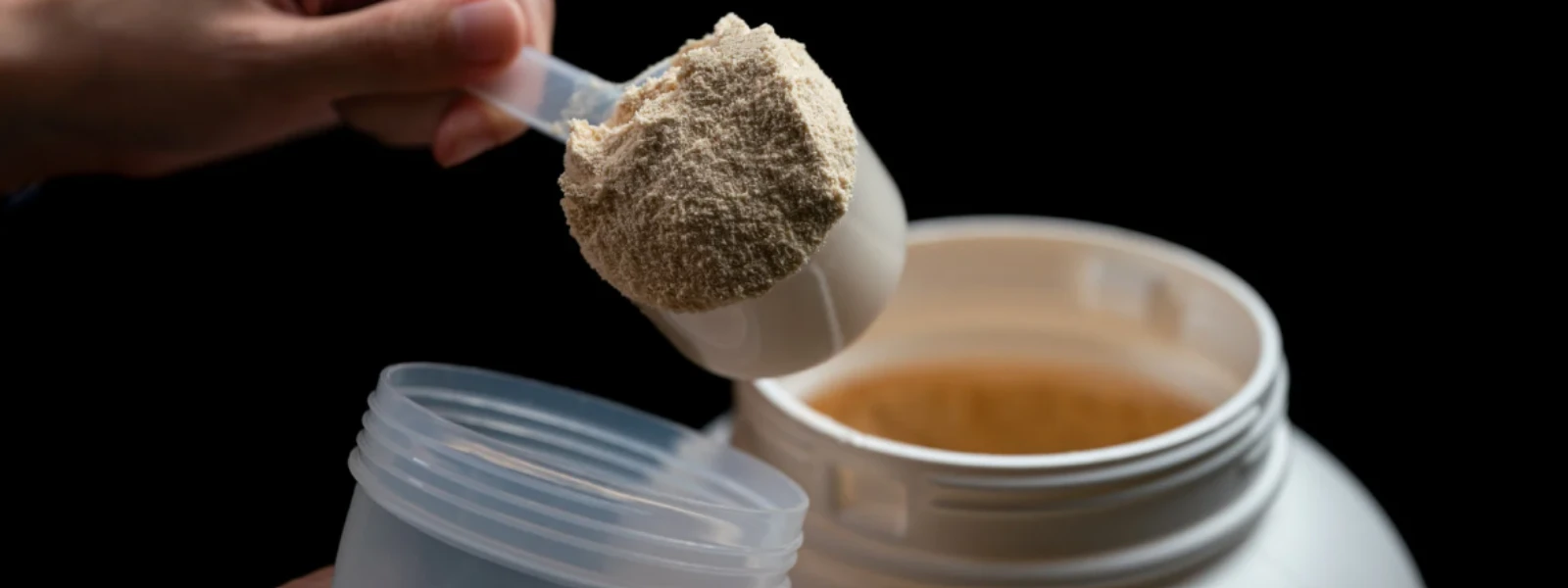


Your scoop count is not a fixed rule. It depends on your bodyweight, training goal, and protein from food. This guide explains how many scoops of whey protein should i take per day using a simple, bodyweight-led method. You will learn how to read a scoop label, calculate a daily target, and use whey to fill a practical gap.
Many whey products provide about 20 to 25 g of protein per scoop. The powder weight may be higher because a scoop also includes flavouring and other ingredients. A common serving weight is 30 to 35 g.
Do not assume that a scoop has one fixed volume in ml. Powder density can change with the formula, settling, and how tightly the scoop is packed. The label serving weight in grams is the more reliable measure.
Always check the product label for two details: serving size in grams and protein per serving. These figures can differ between products, even when each includes a scoop. This step makes whey protein dosage more accurate than using scoop volume alone.
One scoop providing 20 to 25 g of protein is roughly comparable to 3 to 4 large eggs in protein content, though whole foods offer additional nutrients. Always compare grams of protein on labels for accuracy.
Research commonly cited in sports nutrition literature suggests a useful starting point for resistance training is 1.6 g of protein per kilogram of bodyweight each day. Multiply your bodyweight in kg by 1.6. Then subtract the protein you usually get from meals. Divide the remaining amount by the protein listed per scoop.
Bodyweight |
1.6 g/kg daily target |
20 to 25 g scoops if whey supplied all protein |
|---|---|---|
50 kg |
80 g |
About 3 to 4 |
60 kg |
96 g |
About 4 to 5 |
70 kg |
112 g |
About 4 to 6 |
80 kg |
128 g |
About 5 to 6 |
These figures are a protein intake calculator, not a requirement to drink that many shakes. Most people get a meaningful share from regular meals.
Here is a simple way to apply this table to your own routine:
Insight Corner: Count the Protein Gap
Start with food, then use whey for the gap. If your meals already provide 75 g and your target is 96 g, one 20 to 25 g scoop may cover the difference.
For protein for muscle gain, use the 1.6 g/kg calculation as a starting point. A person who reaches most of that target through food may need one scoop. Someone with a larger food gap may use more. The total protein intake matters more than a fixed scoop count.
During weight loss or body recomposition, include each shake within your overall food and energy plan. Use whey to support your protein target when meals fall short. Do not add scoops without considering what they replace or add to your day.
For general fitness, assess your food intake first. One scoop may be useful after a busy day, at breakfast, or as a snack when protein is limited. Your daily protein needs may differ from those of a person training for muscle gain.
Post workout protein is one practical option, especially when a meal is not convenient. Whey protein benefits such as fast absorption and muscle support make it a convenient choice at breakfast or between meals. On non-training days, spread protein across meals in a way that suits your routine. Consistency is more useful than chasing one exact time.
More than two scoops can fit within a daily protein plan when the total is appropriate for your needs. Yet scoop count alone does not show whether your intake is suitable. Consider protein from meals too. If you have a kidney or liver condition, seek advice from a qualified healthcare professional before changing protein intake.
Divide the pack weight in grams by the serving weight on the label. With a 30 to 35 g scoop, a 1 kg pack contains about 29 to 33 servings. A 2 kg pack contains about 57 to 67 servings. For a 5 lb pack, check the net weight in grams and use the same calculation.
Mix one serving with 200 to 300 ml of water, then adjust the liquid for your preferred texture. Keep a scoop where you prepare breakfast. Pair a shake with food when you need a more complete meal. Record the protein per scoop, not only the number of scoops.
When choosing a protein supplement, look beyond flavour and serving size. Wellbeing Nutrition is built on Superior ingredients, highly absorbable formats, palatable flavors — making it easier to stay consistent with your daily protein routine.
Compare the protein grams per serving on the label. Isolate and concentrate products can differ in protein per scoop. The higher number depends on the specific serving size and formula.
A protein shake mainly adds protein. A full meal also provides energy and a wider range of nutrients. Use a shake as a supplement unless its full nutrition profile suits a meal replacement role.
Yes. Protein is part of normal daily nutrition, whether or not you train. Your scoop count should reflect your bodyweight, food intake, and daily protein needs rather than workout status alone.
Use the label scoop and mix the stated serving with water. Check the serving weight and protein yield first. You can take it after training, at breakfast, or as a snack to help fill your protein gap. Wellbeing Nutrition's whey protein is designed to make this straightforward, with clear label information to guide your daily routine.
The right whey protein dosage starts with your total daily target, not a universal number of scoops. Calculate a bodyweight-based target, count protein from food, and use each scoop to cover the remaining gap. Wellbeing Nutrition offers whey protein options designed to fit a considered daily nutrition routine.




Someone sent you


