Collagen for Skin: What Actually Works for Youthful Radiance
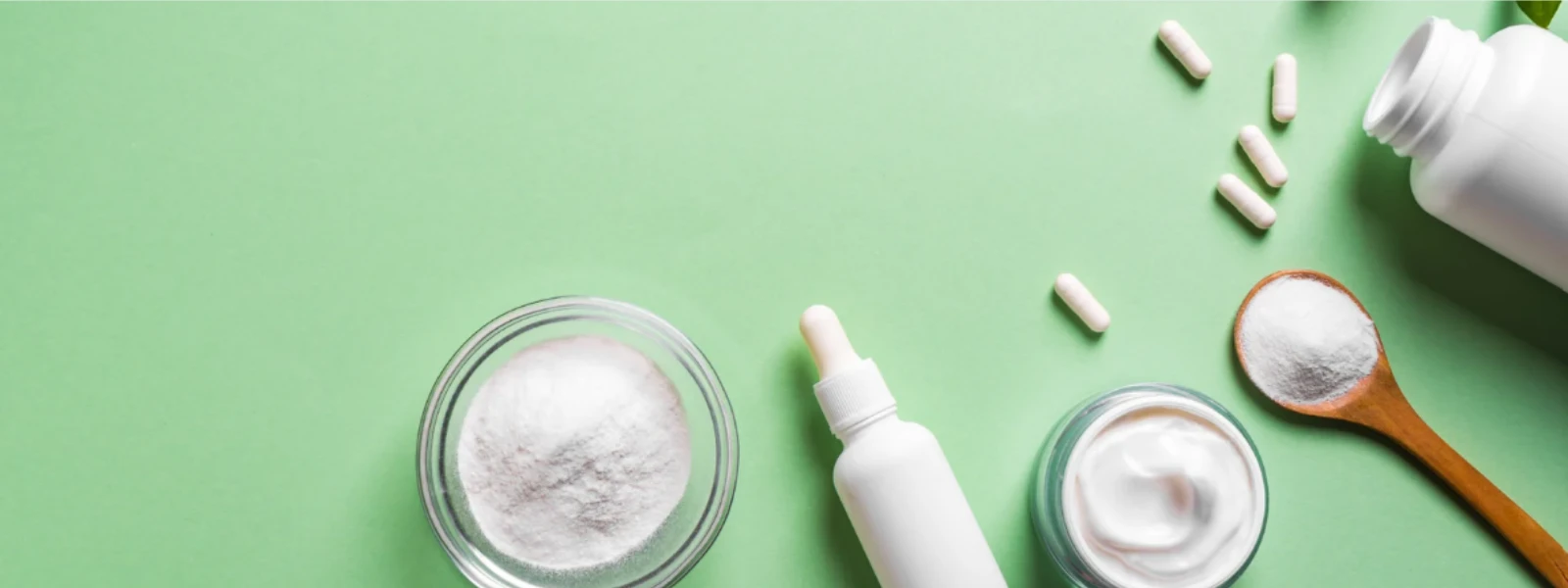


Collagen is often linked with smooth, firm-looking skin. Yet the key question is simple: does collagen actually work for skin? The answer depends on the form, your routine, and what result you expect. This guide explains collagen's role in skin, the limits of collagen supplements and creams, and practical ways to support skin health.
Collagen is a structural protein in skin. It helps support skin elasticity, hydration, and the skin's repair process. Skin relies on a network of proteins to maintain its feel and appearance. When that network changes, skin may appear less firm or more lined.
Collagen levels can change with age. Sun exposure, smoking, and diet may also affect skin health. Daily sun protection, varied meals, and avoiding smoking can support a broader anti-aging skin routine.
Collagen types I and III are commonly discussed in relation to skin structure. Type II is more often discussed in other body tissues. These labels describe different collagen forms, but they do not guarantee a specific skin result.
Evidence on collagen supplements is mixed, though some findings suggest possible benefits for skin hydration and skin elasticity. Some marine collagen peptide formulas have been studied in clinical settings for their effects on fine lines and skin hydration. Results can differ between people and products. Collagen efficacy also depends on consistent use, the formula, and your overall diet and skin care habits.
Collagen peptides are collagen broken into smaller pieces. This hydrolyzed form is designed for digestion and absorption. That does not mean every supplement will produce the same wrinkle reduction result. It means the format differs from whole collagen.
Marine collagen comes from fish sources. It is often discussed for its bioavailability. Source alone is not enough to predict outcomes. Consider ingredient details, personal dietary needs, and allergy concerns before choosing a collagen supplement.
Insight Corner: Collagen is not a skin-whitening ingredient.
Collagen creams and supplements are not described here as products that bleach or lighten skin. Their role, when any benefit occurs, relates to skin support rather than changing natural skin tone.
Topical collagen and ingestible collagen work in different ways. A cream sits on the skin's surface, where it may support a moisturised feel. Whether intact collagen molecules penetrate deeply enough to rebuild skin collagen remains a key question. Do not expect a collagen cream to work like an ingestible collagen peptide product.
Check the full ingredient list before use. Stop using a topical product if it causes irritation. A patch test may help identify sensitivity.
Collagen for wrinkles should be viewed as one part of skin care, not a quick fix. Any changes in hydration, fine lines, or elasticity may be subtle. The supplied evidence does not establish one reliable timeline for visible results. Photos, lighting, sleep, sun exposure, and skincare can also change how skin looks.
Set realistic goals. Focus on healthy-looking skin rather than a promise to erase wrinkles. This approach is more useful when assessing collagen benefits over time.
Food can support the nutrients involved in collagen production. Bone broth and fish are commonly discussed dietary collagen sources. Vitamin C is also an important cofactor for collagen synthesis. A varied diet can support skin health alongside topical care and, if chosen, supplements.
Food, supplements, and creams have different roles. Foods contribute to overall nutrition. Collagen supplements provide a selected collagen format. Topical products mainly support the skin surface.
Avoid assuming that more collagen is always better. Follow the product directions. Review the source carefully if you have fish or other ingredient allergies. Digestive discomfort may occur for some people. If you have a health condition, take regular medicines, or have concerns about long-term use, speak with a qualified health professional before adding a supplement.
Choose products with clear ingredient information. This helps you match the format to your needs and avoid ingredients that do not suit you.
Hormonal changes can affect the skin over time. Women may notice changes in dryness, firmness, or texture during different life stages. Collagen may be part of a wider skin health plan, but it is not a replacement for personal medical advice. A balanced routine can include nutrition, sun protection, gentle skincare, and informed supplement choices.
Collagen supplements may support hydration and elasticity for some people, but evidence is mixed. Consistency, formula, and overall lifestyle can affect results.
Research on collagen supplements suggests possible benefits for skin hydration and elasticity, though results vary between individuals. Sources such as NCBI and Healthline note that consistent use and product quality can influence outcomes. Speak with a qualified health professional for personalised guidance.
Some people may experience digestive discomfort. Allergy risk depends on the collagen source. Speak with a qualified health professional about long-term use, especially if you take medicines or manage a health condition.
Dietary sources include foods such as fish and bone broth. Collagen peptides offer a supplement format, while topical collagen is used on the skin surface. The right choice depends on your preferences and needs.
Collagen can play a supporting role in a thoughtful skin routine, but it is not a magic pill for anti-aging. Ingestible collagen peptides and topical creams have different uses, and results may vary. Wellbeing Nutrition focuses on Superior ingredients, highly absorbable formats, palatable flavors. Explore its collagen range with clear expectations and a wider focus on daily skin health.




Someone sent you


