Does Stress Cause Acne Breakouts? The Truth for Clearer Skin
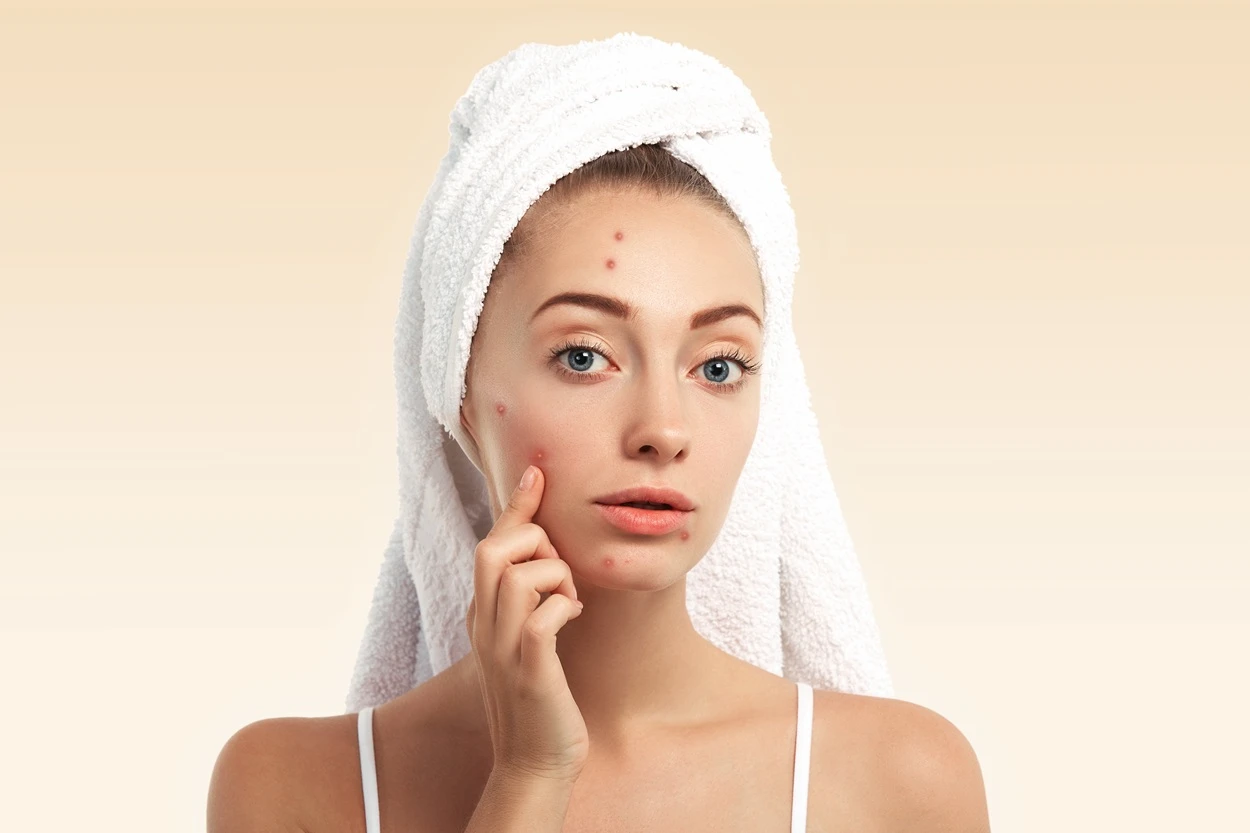


Stress can show up in many ways, including changes in your skin. If you have noticed a breakout during a demanding week, you may ask: does stress cause acne breakouts? Stress can worsen acne, but it is rarely the only cause. This guide explains the stress and skin link, how to spot patterns, and how to support skin health with a steady routine.
Stress does not usually create acne on its own. Acne has several causes, including excess oil, blocked pores, skin bacteria, and inflammation. Stress may make these factors harder to manage.
When you feel stressed, your body releases cortisol. This hormone can signal the skin's oil glands to produce more sebum. Extra oil can mix with dead skin cells and block pores. This may lead to new spots or make existing breakouts look worse.
Think of stress as an acne aggravator. It may increase oiliness and slow the healing of blemishes already present. It can also affect sleep, daily habits, and skin care consistency. These changes may add to causes of breakouts.
Insight Corner: Stress acne is not a separate diagnosis.
Its timing may offer a useful clue. A flare during a stressful period can suggest that stress is worsening an existing acne tendency.
Stress-related breakouts may look like small, clustered pimples in areas that become oily. You may also notice more shine, clogged pores, or tender inflamed spots. However, appearance alone cannot confirm the cause.
Regular acne and stress-related acne can look alike. Track when breakouts appear, how your skin feels, and whether your routine has changed. This can help you identify useful patterns without assuming one cause.
People often report stress breakouts on the forehead, around the mouth, and on the chin. These areas can also break out for many other reasons. Location is a clue, not a diagnosis.
A stress breakout on the forehead may appear alongside increased oiliness. Stress-related hormonal shifts may play a role in this change. Hair products, sweat, hats, and touching the face can also affect this area.
Spots around the mouth and chin can overlap with hormonal acne patterns. Hormonal acne may follow recurring cycles or persist beyond stressful periods. Stress can worsen this pattern, but it does not prove that hormones are the only factor.
The main difference is often timing. Stress acne may flare during periods of pressure, poor sleep, or disrupted routines. Regular acne may continue regardless of stress levels.
Both forms can involve blackheads, whiteheads, and inflamed spots. Both also need gentle, consistent care. Avoid squeezing blemishes, as this can irritate skin and delay visible recovery.
There is no fixed timeline for stress acne. A single spot may fade as the skin heals, while repeated stress may lead to repeated flares. Healing may also feel slower when stress affects sleep and daily care habits.
Focus on what you can control. Keep your routine simple, avoid changing products too often, and give your skin time to respond. If acne is painful, persistent, or leaves marks, speak with a dermatologist.
A practical approach combines gentle skin care with stress management. Avoid harsh scrubs or frequent picking. These can irritate the skin barrier and make spots more noticeable.
Salicylic acid is commonly used in acne care because it helps clear pores. Niacinamide is also used in skin care routines for its calming, barrier-supporting role. Introduce one product at a time and follow its directions. If irritation occurs, stop using it and seek professional advice.
Magnesium benefits may include support for normal muscle function, sleep, and stress reduction, depending on the product and individual needs. Better rest can support steady stress management habits. Collagen benefits are often discussed in relation to skin appearance. Wellbeing Nutrition's marine collagen peptides are described as helping reduce fine lines and wrinkles, but collagen is not an acne treatment.
Supplements should support, not replace, a balanced routine or professional care. Wellbeing Nutrition is committed to offering superior ingredients, highly absorbable formats, and palatable flavors to support your daily wellness routine.
Build a routine that is easy to follow on busy days. Cleanse gently, use products that suit your skin, and avoid skipping your routine after travel or late nights. Keep pillowcases, phones, and items that touch your face clean.
Stress relief also matters. Make room for regular sleep, movement, quiet breaks, and meals that fit your schedule. These stress management habits may not remove every stress-caused acne breakout, but they can support overall skin health and a more consistent routine.
Yes. Stress can raise cortisol, which may increase oil production and worsen existing acne. It is usually an indirect trigger rather than the only cause.
Use a consistent, gentle skin care routine and support stress relief with sleep, movement, and regular breaks. Avoid picking or over-treating spots.
Seek advice from a dermatologist, especially if acne is painful, persistent, or scarring. A professional can assess your skin and discuss suitable treatment options.
Some medications, including SSRIs, have been associated with skin changes in some individuals according to clinical literature. If you notice acne after starting or changing an SSRI, discuss it with the clinician who prescribed it. Do not stop prescribed medication without medical guidance.
Stress can worsen acne by increasing oil production and disrupting skin-supporting habits. It does not explain every breakout. Watch for timing and patterns, keep your routine gentle, and seek dermatological advice when acne is severe or ongoing. For broader skin health support, you can learn more about Wellbeing Nutrition's approach to supplements and daily wellness.




Someone sent you


