Heal Your Damaged Skin Barrier: What Actually Works for Restoration
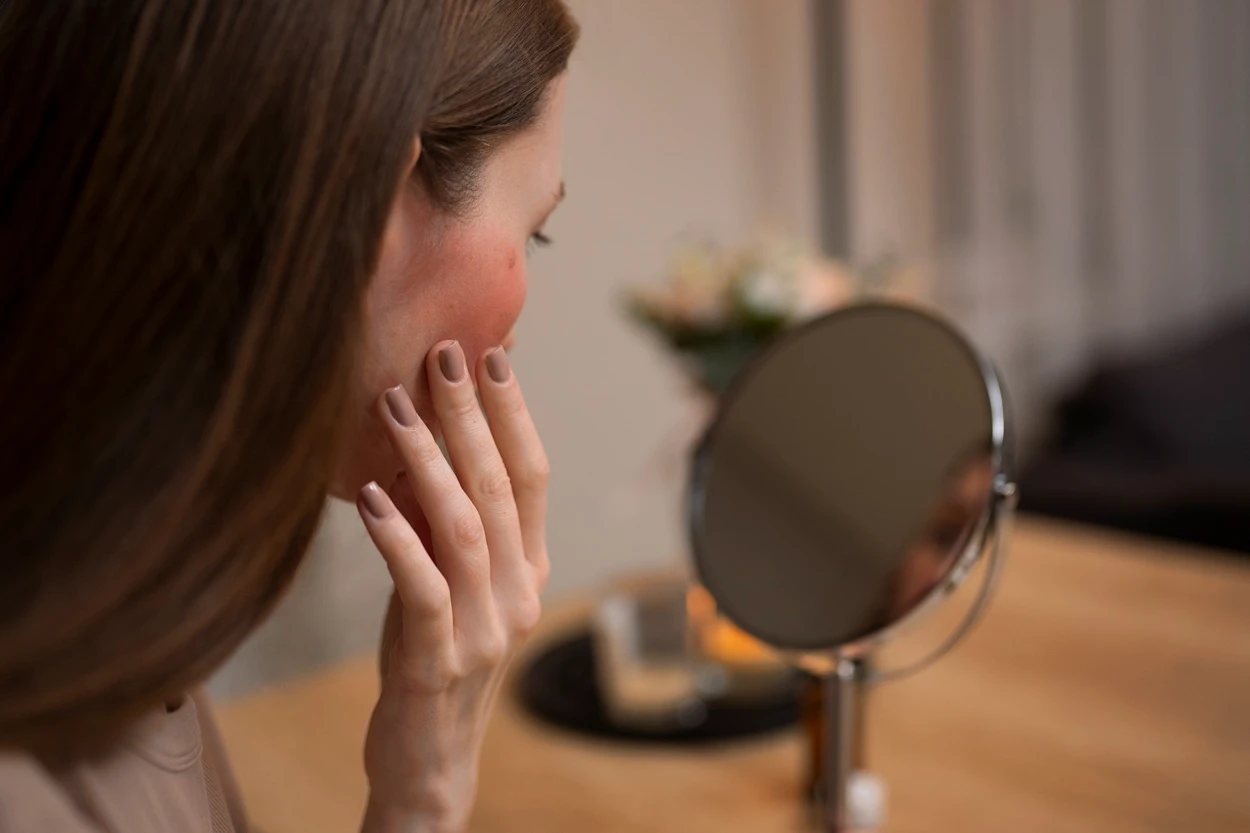


Redness after cleansing, a face that feels tight, or sudden sensitivity can make skin care feel confusing. These can be skin barrier signs. Learning how to repair damaged skin barrier starts with a calmer approach, not a longer routine. Supporting a healthy skin barrier starts with understanding what disrupts it in the first place. This guide explains what barrier damage can look like, what may trigger it, and how to support skin barrier restoration at home.
When the skin barrier is damaged, the most immediate steps are to stop harsh actives, simplify your routine, and focus on gentle hydration. Your skin barrier is the outer layer that helps skin hold on to moisture and face daily exposure. When its skin barrier function is under strain, skin may feel dry, tight, rough, or sore. It may also look red or react more easily than usual.
Other common signs include flaking, stinging during product use, and breakouts that appear alongside dryness. These damaged skin concerns can occur at the same time. That is why adding more treatment products may not always help.
Redness and breakouts can have more than one cause. Acne, rosacea, and barrier stress may share some visible features. A simple clue is a change after harsh cleansing, frequent exfoliation, or several new products. Focus on patterns instead of trying to label skin yourself. A gentle, reduced routine can help you observe what your skin tolerates.
Over-exfoliation is a common trigger. Scrubs, acids, and strong active products can be difficult for already sensitive skin, especially when used often or layered together. Harsh cleansers can also leave skin feeling stripped and tight.
Environmental stressors matter too. Changes in weather, dry air, sun exposure, and daily cleansing can affect how skin feels. A damaged barrier often reflects a mismatch between your routine and your skin's current needs. The aim is to reduce stress first, then provide steady skin barrier support.
Insight Corner: Why Doing Less Is the First Step to Barrier Recovery
When skin stings or feels tight, adding several new products makes it harder to identify what helps. Keep the routine simple and make changes one at a time.
Skin barrier healing is not instant. Research suggests a repair window of several weeks, though this varies by individual. However, this can vary with the degree of irritation and whether the triggers continue.
Mild dryness after a routine change may settle sooner when you stop the cause. More persistent tightness, redness, or sensitivity may need a longer period of consistent care. Think of the timeline as a guide, not a promise. The key is regular, gentle care without repeated disruption.
Products are only one part of skin barrier repair. Daily habits can reduce the pressure placed on your skin. Prioritise regular sleep, drink water through the day, and eat a varied diet that supports your overall routine. These actions do not replace skin care, but they can support a more stable approach.
Also reduce habits that can aggravate skin. Avoid very hot water on the face. Do not scrub with a towel. Limit frequent face washing if it leaves skin dry. Give your skin a break from testing new items each day. These simple steps can be useful when you want to support your barrier without adding products.
A barrier-focused routine has four basic parts: gentle cleansing, hydration, a skin barrier cream, and daily SPF. Keep each step comfortable. If a product burns or leaves skin tight, it may not suit your skin while it is stressed.
Cleanse gently and avoid over-washing. Apply hydrating layers to slightly damp skin if they feel comfortable. Follow with a cream that helps reduce moisture loss. Use daily SPF as part of daytime care, since sun exposure can add to skin stress.
Pause harsh actives first. This can include strong exfoliating products and other treatments that make your face sting, peel, or feel hot. Avoid stacking several actives in one routine. The goal is not to avoid all products forever. It is to create space for your skin barrier to settle.
Use skin barrier products from lighter to richer textures. Start with a gentle cleanse. Add a hydrating layer if needed. Then apply a skin barrier cream to help seal in moisture. In the morning, finish with SPF. This order keeps the routine easy to follow and avoids unnecessary layering.
Look for three broad ingredient groups in skin barrier products: ceramides, humectants, and occlusives. Ceramides are lipid molecules that help hold skin cells together, forming a protective layer that retains moisture and shields against environmental stressors. Humectants such as hyaluronic acid and glycerin draw water into the skin from the environment and deeper layers, helping to keep skin plump and hydrated. Occlusives form a physical seal on the skin surface that slows moisture evaporation, making them especially useful as the final step in a barrier-repair routine.
During a repair phase, be cautious with products that feel harsh or leave your skin uncomfortable. Strong exfoliants, abrasive scrubs, and complex routines may add stress when your skin is already reactive. A product is not automatically wrong because it is active. It may simply be unsuitable for your skin at that moment.
There is no true overnight fix for a damaged skin barrier. One calm evening routine may make skin feel more comfortable by morning, especially when it reduces dryness. But meaningful skin barrier restoration needs time and consistency.
For a faster, realistic approach, remove likely triggers, use a gentle cleanser, add hydration and a barrier cream, and protect skin during the day. This is faster than constantly switching products because it gives skin a stable routine. Expect improvement over the two-to-four-week window rather than after one night.
The face is exposed to cleansing, sun, weather, shaving, makeup, and frequent touching. It can also be more sensitive to product changes than other areas. For facial skin barrier support, use fewer products and apply them with a light touch.
Avoid rubbing the face dry. Pat it gently instead. Keep exfoliation on pause if your face feels sore, flaky, or reactive. Choose a simple face routine you can repeat each day. Consistency is more useful than chasing a rapid fix.
To repair your skin barrier as quickly as realistically possible, remove likely triggers such as harsh actives and over-exfoliation, simplify your routine to gentle cleansing, hydration, and a barrier cream, and allow two to four weeks for meaningful improvement. Consistency matters more than speed.
Many Korean skincare approaches focus on gentle layering, hydration, and avoiding unnecessary harsh actives. Clear skin is not guaranteed by one routine. A barrier-first approach can help skin feel more comfortable and supported.
Oils can vary in feel and in their fatty acid profiles. Choose one only if your skin tolerates it well, and use it as part of a simple routine. An oil is not required for skin barrier repair, especially if a cream already meets your comfort needs.
At-home care can focus on reducing harsh steps, using gentle cleansing, adding hydration, applying a barrier cream, and using daily SPF. Keep expectations realistic and allow time for skin barrier healing.
If exfoliation is linked with stinging, peeling, or tightness, pause it first. Reintroduce only when your skin feels stable and comfortable again.
To repair damaged skin barrier, simplify your routine, remove likely irritants, support hydration, and protect skin each day. Improvement can take two to four weeks, with more persistent concerns often taking longer. Wellbeing Nutrition is built around Superior ingredients, highly absorbable formats, palatable flavors — a philosophy that extends to every product in its range. Explore its offerings to learn more about a considered approach to everyday wellbeing.




Someone sent you


