How Hydration Affects Skin Health: Your Guide to a Radiant Glow
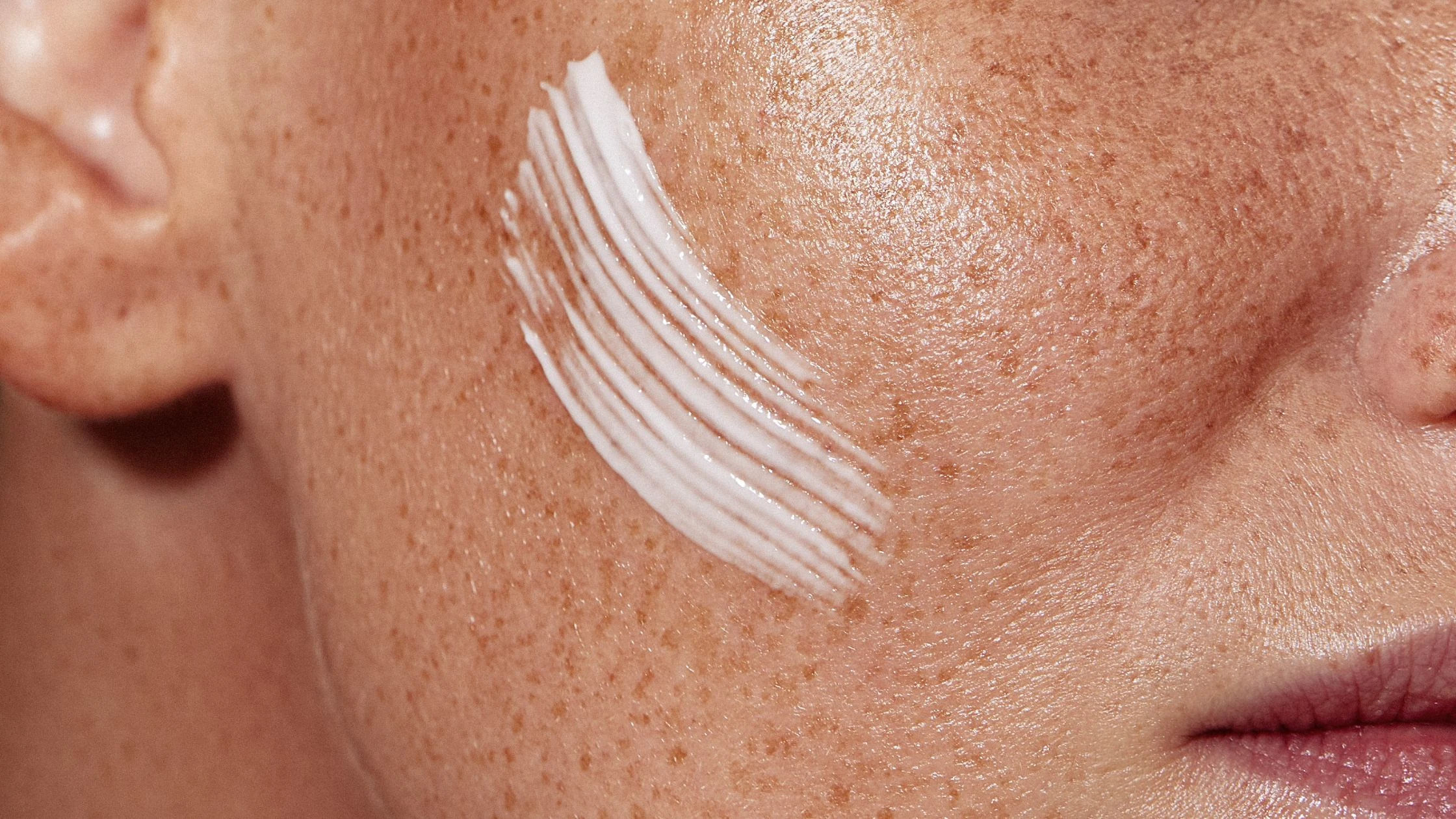


How does hydration affect skin health? Water helps your body work as a whole, including the systems that support your skin. Yet water alone cannot create a glow, erase acne, or replace a good skincare routine. This guide explains what skin hydration means, how to spot dehydrated skin, and how to build practical habits for healthier-looking skin.
Water moves through the body in the bloodstream. Skin cells rely on this internal fluid balance to function normally. When your body lacks fluids, skin may feel less comfortable and look less fresh.
Hydration also supports the conditions needed for skin barrier function. The skin barrier is the outer layer that helps limit water loss. It also helps protect the skin from outside stressors.
Water is not a direct switch for collagen production. Collagen and elastin are skin proteins linked with firmness and skin elasticity. Hydration can support skin comfort, but it cannot replace nutrition, sun protection, or consistent topical care. Targeted collagen supplements—such as marine collagen peptides—may complement a skin health routine alongside these habits.
The epidermis, or outer skin layer, needs water and lipids to stay flexible. It loses water each day through its surface. Dry air, harsh cleansing, hot water, and an impaired barrier can increase this loss. Skin hydration levels can also shift with your overall fluid intake and daily routine.
Hydration refers to water within the skin and body. Moisturization focuses on products that help reduce water loss at the skin surface. Both matter. Drinking water supports internal hydration, while moisturizer supports skin moisture from the outside.
Dehydrated skin can look dull or tired. It may feel tight after cleansing, and fine lines may look more visible for a time. Rough texture, flaking, and a lack of softness can also occur.
These signs do not always mean your skin type is dry. Oily, combination, and acne-prone skin can also become dehydrated. Skin appearance can change with weather, cleansing habits, sleep, and routine changes.
Some people notice more surface oil when skin feels dry or tight. This can make an oily complexion feel harder to manage. Still, water intake is not a proven acne treatment. Breakouts have many possible triggers. Avoid treating water as a cure for acne.
There is no single daily amount that guarantees healthy skin for every person. Fluid needs vary with body size, activity, climate, food intake, and health needs. A practical approach is to drink regularly through the day and respond to thirst.
Water-rich foods also add to daily fluid intake. If you have a health condition that affects fluid needs, seek advice from a qualified health professional. Do not force large amounts of water for skin benefits.
There is no acne-specific litre target in this guide. More water does not reliably clear acne. Aim for steady hydration instead of chasing a fixed number. If acne is persistent or distressing, speak with a dermatologist.
Insight Corner: Why Steady Sipping Beats a Single Glass
Regular fluids can support hydration. But no single glass of water, at any time of day, can transform skin overnight.
There is no special hour when water creates a glow. The useful goal is steady intake across the day. Have water in the morning if you wake thirsty. Keep it available during work, travel, exercise, and meals.
Drinking before or after meals may help some people build a routine. A small drink before bed may be comfortable for some, while others may prefer to limit it to avoid sleep disruption. Choose a pattern you can maintain.
Results vary. If your skin is dehydrated, better fluid habits may help it feel more comfortable over time. Visible changes in skin appearance can be subtle. They also depend on your skincare routine, diet, stress, sleep, climate, and sun exposure.
Do not expect water to clear facial skin on a set timeline. Track how your skin feels and looks over several weeks. Keep your routine simple so you can notice what helps.
Build meals around a varied range of fruits, vegetables, and other whole foods. These can contribute water and nutrients to your diet. Regular meals also make it easier to maintain steady energy and fluid habits.
Support your skin barrier with gentle cleansing. Avoid very hot water when possible. Use sun protection as part of daytime skin care. Sleep and stress management also belong in healthy skin tips because skin health reflects many daily factors.
Water offers a broad range of benefits for skin: it helps maintain the skin's fluid balance, supports barrier function, contributes to a more comfortable skin feel, and may help skin look less dull when intake is consistently adequate.
Apply moisturizer after cleansing while skin is still slightly damp. Look for humectants, which help draw water toward the outer skin layer. Follow with a moisturizer that helps reduce water loss. Patch test new products if your skin is sensitive.
Start the day with water if you are thirsty. Cleanse gently and apply moisturizer to damp skin. During the day, drink fluids regularly and eat balanced meals that include water-rich foods. Reapply sun protection as needed.
At night, cleanse away the day's buildup without over-scrubbing. Apply a suitable moisturizer. Keep the routine steady rather than adding many new products at once. This approach supports skin moisture and lets you observe changes clearly.
No five foods can guarantee glowing skin. A useful approach is to include water-rich fruits, vegetables, protein-rich foods, whole grains, and foods with unsaturated fats. Variety supports an overall balanced diet.
Focus on gentle care for one week. Drink fluids regularly, use moisturizer, avoid harsh scrubs, and protect skin from sun exposure. You may notice improved comfort, but lasting changes take time.
No. Water supports internal hydration, while moisturizer helps reduce water loss from the skin surface. Use both as part of a balanced routine.
Hydrated skin may feel more supple and look smoother. Skin elasticity also depends on factors beyond water intake, including the skin's structure and daily care.
Hydration supports skin comfort, barrier function, and a smoother skin appearance, but it is only one part of skin health. Pair steady fluid habits with gentle topical care, balanced food, sleep, and sun protection. Understanding how hydration affects skin health is a useful foundation for any routine, and Wellbeing Nutrition prioritizes superior ingredients, highly absorbable formats, and palatable flavors to support your broader wellness goals.




Someone sent you


