Unlock Youthful Skin: Foods That Increase Collagen Naturally
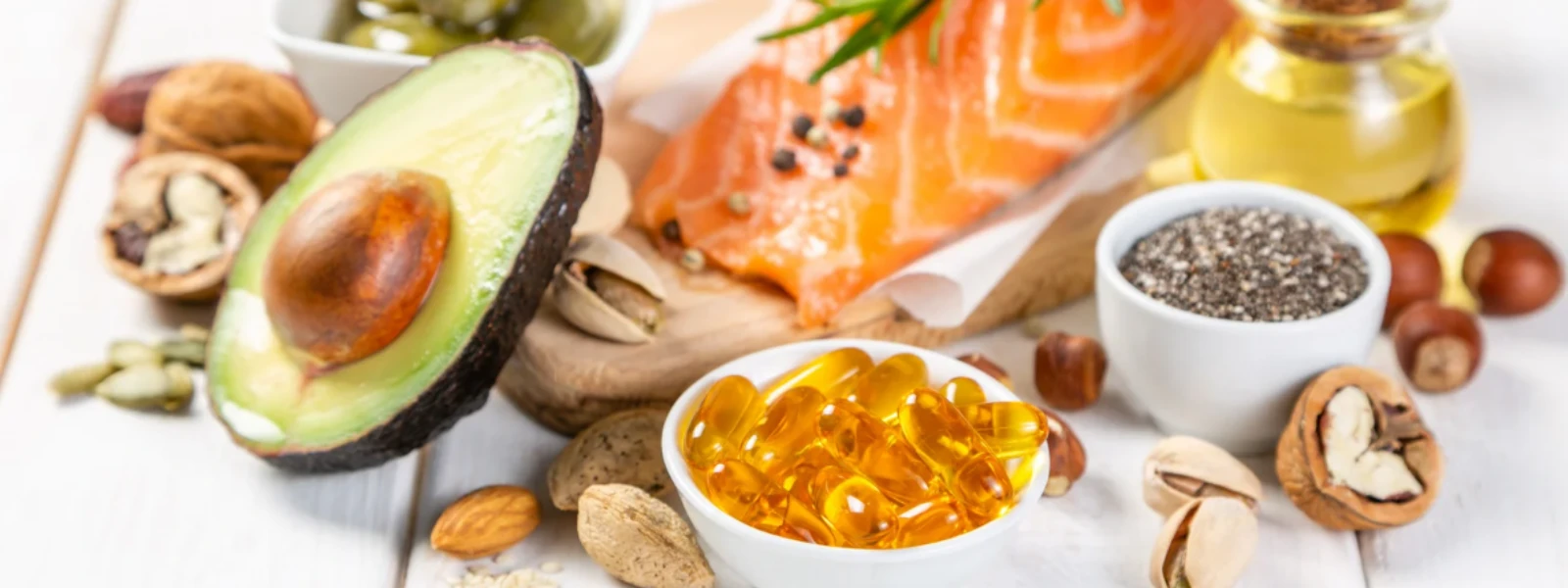


Food cannot stop skin from changing, but it can support the nutrients involved in collagen production. Collagen is a structural protein that helps give skin its firm, springy feel. This guide explains which foods that increase collagen naturally may fit into your meals, including vegetarian options. It also covers common collagen stressors and a simple one-week food framework. By the end of this guide, you will know which foods to prioritise, how to pair them effectively, and which habits to avoid to support your skin from within.
Collagen helps support skin elasticity, firmness, and repair. It is also found in connective tissues throughout the body. Your body makes collagen from protein building blocks and key nutrients. A varied diet can provide these materials, which is why skin health foods matter beyond one single ingredient.
Collagen production changes as people age. This can contribute to visible changes in skin texture and firmness over time. As the body grows older, fibroblast activity—the cellular process responsible for producing collagen—gradually slows down. At the same time, the body's ability to absorb and utilise key nutrients such as Vitamin C, zinc, and copper can also shift, further affecting the rate of collagen synthesis. Diet is one part of skin care, alongside daily habits that protect existing collagen.
Some foods contain collagen, mainly animal connective tissues. Other foods do not contain collagen but supply protein, Vitamin C, zinc, copper, and other nutrients used in collagen production. Both groups can have a place in a balanced eating pattern.
Animal-based collagen rich foods come from skin, bones, cartilage, and connective tissue. These foods can provide protein and collagen-containing parts.
Bone broth is made by simmering bones and connective tissue. It is often included among natural collagen sources. Its nutrient content can vary with the ingredients and preparation method.
Fish and shellfish can also contribute protein. Fish skin and bones contain more collagen-related connective tissue than the fillet alone. Chicken skin, cartilage, and other connective tissues are similar examples. Eggs do not provide collagen in the same way as connective tissue, but they provide protein that supports overall dietary protein intake.
Tuna contains protein, but a tuna fillet is not usually the main collagen-rich portion of the fish. Collagen is concentrated in fish skin, bones, and connective tissue. If you eat tuna, pair it with Vitamin C foods such as bell peppers, citrus, or tomatoes to support collagen synthesis.
Vegetarian foods do not supply animal collagen. Yet they can be valuable foods that boost collagen production because they provide the cofactors used in the process. This is the practical answer to the question, 'What are collagen-rich foods for vegetarians?' Focus on collagen-supporting foods rather than expecting plant foods to contain collagen itself.
Citrus fruits, berries, leafy greens, and red bell peppers provide Vitamin C. Tomatoes and red bell peppers add colour and variety to meals. Garlic can be used in everyday cooking. Nuts, seeds, and soy foods provide plant protein and minerals that support a nutrient-rich diet.
Vitamin C is needed for collagen synthesis. Include citrus fruits, berries, leafy greens, red bell peppers, and tomatoes across the day. A citrus fruit at breakfast, berries with a snack, or peppers in a meal can help make this habit simple.
Nuts, seeds, and soy add plant protein to meals. They also contribute minerals such as zinc and copper. Try soy with leafy greens, or add nuts and seeds to a bowl with berries. These combinations offer a vegetarian route to foods for skin elasticity.
Insight Corner: Build pairs, not perfect meals.
Pair a protein food with a Vitamin C food when you can. For example, combine eggs with tomatoes, fish with bell peppers, or soy with citrus. This approach is easier to sustain than relying on a single food source.
Collagen peptides are pieces of collagen protein. They may be included in foods or drinks designed to provide collagen. By contrast, citrus, berries, greens, peppers, soy, nuts, and seeds support the body's own collagen-making process through nutrients they contain.
These are different roles. Dietary collagen provides collagen protein, while cofactor foods provide materials needed for synthesis. Neither replaces the value of regular meals with enough protein, fruits, vegetables, and varied whole foods. When considering a collagen product, review its ingredients and use it as part of a broader dietary pattern.
Several habits can work against skin-supportive goals. High-sugar eating patterns, UV exposure, smoking, and alcohol can place stress on skin and collagen. Foods cannot cancel these factors, but they can support a more balanced routine.
For frequent sugary foods, choose berries, citrus, or other whole-food options when suitable. For UV exposure, use sun-protective habits and keep meals rich in colourful produce. For smoking and alcohol, reducing exposure is more meaningful than adding a single food. Protein foods, leafy greens, tomatoes, and Vitamin C-rich produce can remain useful skin repair foods within an overall balanced diet. Including these foods for anti aging purposes works best as part of a consistent, long-term dietary pattern rather than a short-term fix.
Diet cannot target the face alone or promise to restore lost collagen. It can, however, support the nutrients your whole body uses for collagen production. Start by including a protein source at each main meal. Choose fish, eggs, chicken connective-tissue dishes, bone broth, or soy based on your eating pattern.
Next, add a Vitamin C food daily. Rotate citrus, berries, leafy greens, bell peppers, and tomatoes. Include nuts or seeds for plant protein and minerals. Finally, limit habits that can deplete collagen, especially excess sugar, UV exposure, smoking, and alcohol. Consistency matters more than a short-term food reset.
Skin, hair, and joints all benefit from a diet that includes enough protein and varied nutrients. Fish, chicken connective tissue, eggs, bone broth, soy, nuts, and seeds are useful protein-focused choices. Citrus, berries, leafy greens, peppers, and tomatoes provide Vitamin C-rich variety.
For skin, this pattern supports foods for wrinkles and skin elasticity without making promises about a specific result. For hair and joints, the same pattern helps cover protein and nutrient needs. There is no need to create separate meals for each goal. Build one balanced plate and vary it through the week.
For joints, foods rich in protein and Vitamin C—such as bone broth, fish, and leafy greens—provide the building blocks collagen synthesis requires.
Day 1: Eggs with tomatoes and leafy greens; berries with nuts; fish with red bell peppers.
Day 2: Soy with leafy greens; citrus with seeds; chicken connective-tissue dish with tomatoes.
Day 3: Bone broth with a meal; berries with soy; fish with leafy greens.
Day 4: Eggs with red bell peppers; citrus with nuts; soy with tomatoes and garlic.
Day 5: Fish with tomatoes; berries with seeds; chicken connective-tissue dish with leafy greens.
Day 6: Soy with bell peppers; citrus with nuts; bone broth alongside a meal with greens.
Day 7: Eggs with garlic and tomatoes; berries with seeds; fish with leafy greens and peppers.
Adjust portions and meal timing to your needs. Vegetarian eaters can repeat soy, nuts, seeds, leafy greens, fruits, peppers, and tomatoes while prioritising varied plant protein.
Berries, citrus, fish, leafy greens, and bone broth are often included in collagen-focused eating patterns. Berries and citrus provide Vitamin C. Fish and bone broth add protein-focused options. Leafy greens add nutrient variety.
Bone broth is a food-based drink made from bones and connective tissue. Drinks with collagen peptides may also provide collagen protein. Vitamin C-rich juices support collagen synthesis, but they do not contain collagen.
Changes in skin firmness, wrinkles, joint comfort, and hair appearance may be discussed in relation to collagen changes. These signs are not specific to collagen alone. A health professional can help assess ongoing or concerning changes.
High-sugar eating patterns, UV exposure, smoking, and alcohol can work against collagen-supportive habits. Prioritise sun protection, reduce smoking and alcohol exposure, and build meals around protein and Vitamin C-rich foods.
Foods that increase collagen naturally include collagen-containing animal foods and plant foods that support collagen synthesis. Build meals around protein, Vitamin C-rich produce, nuts, seeds, and soy where suitable. Protect these efforts by addressing sugar, UV exposure, smoking, and alcohol. For those exploring supplements alongside food, Wellbeing Nutrition offers Superior ingredients, highly absorbable formats, palatable flavors.




Someone sent you


