Why Your Skin Stays Dry (Even With Moisturizer): Fix Your Barrier
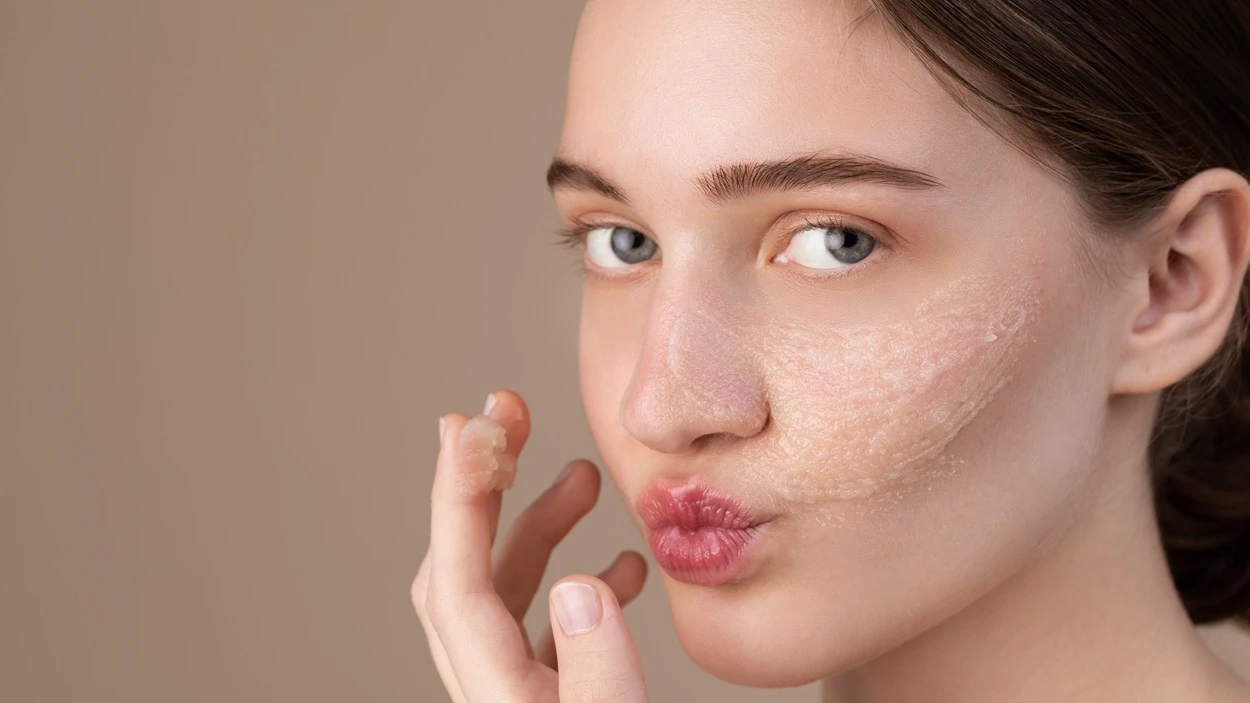


Why is my skin so dry even when I moisturize? The answer is often not one product. Dryness can reflect low skin lipids, low water content, a stressed skin barrier, or daily triggers that keep disrupting the surface. This guide helps you tell these causes apart and build a skin care routine that supports lasting comfort.
You will learn how to spot dry versus dehydrated skin, why moisturizer may not be working, and how to adjust your routine with a clear, step-by-step approach.
Dry skin and dehydrated skin can feel similar, but they are not the same. Dry skin lacks enough oils and lipids. Dehydrated skin lacks water. You can have one, or both, at the same time.
This difference matters because each concern needs a different focus. A light, water-binding formula may help dehydration but may not feel sufficient on skin that lacks protective lipids. A rich cream may seal the surface, yet it may not address a routine that keeps stripping the barrier.
Dry skin often feels rough, tight, or flaky. It may have visible dry patches and a less smooth texture. It can feel uncomfortable after cleansing, even before you apply other products. These signs point to a need for barrier-supporting lipids and a more protective moisturizer.
Dehydrated skin may look dull and show fine lines more clearly. It can also feel tight while still appearing oily in some areas. A gentle pinch may leave fine lines visible for a moment. This can suggest that the surface needs more water support, followed by a layer that helps hold that moisture in.
When moisturizer is not working, look at the full routine. The product may be suitable, but the steps before and after it can limit its effect.
Cleansing is useful, but a harsh cleanser can disrupt the skin barrier. Surfactants can remove surface oils, while pH disruption may leave skin feeling tight. If this happens often, moisturizer must work against a repeated source of dryness.
Choose a gentle cleansing approach and avoid making your skin feel squeaky clean. That feeling can signal that too much has been removed from the surface.
Moisturizer works differently when it is applied after skin has fully dried. Apply it to lightly damp skin after cleansing or washing. This gives humectant ingredients water to bind. Then, an occlusive layer can help reduce moisture loss from the surface.
Humectants attract and hold water. Occlusives form a protective layer that helps keep water in. A formula that mainly focuses on humectants may feel too light for dry skin, especially in cold or low-humidity conditions. For persistent dryness, look for a moisturizer that combines water-binding ingredients with lipids and an occlusive element.
Insight Corner: Moisture needs two steps.
Water-binding ingredients support hydration, while protective ingredients help keep that hydration from leaving the skin. Using only one approach may not meet the needs of a weakened barrier.
Your surroundings can change how your skin behaves. Low humidity can leave the air dry, which may increase the feeling of tightness. Cold conditions can make this more noticeable. In these settings, a lighter summer routine may no longer provide enough support.
Hard water can also leave mineral buildup on the skin. If your skin feels tight after washing, rinse thoroughly and apply moisturizer while the skin is still lightly damp. Keep the rest of the routine simple while you assess the trigger.
UV exposure is another external stressor. Protecting skin from sun exposure is part of protecting its barrier. Seasonal changes matter too. In warmer, more humid periods, a lighter formula may feel comfortable. In colder or drier periods, a richer formula with barrier-supporting ingredients may be more appropriate.
Skin health reflects both topical care and internal factors. Low levels of zinc, Vitamin A, or Vitamin D may contribute to persistent dryness. Water intake also matters for overall hydration, but drinking water alone cannot replace the lipids needed at the skin surface.
If dryness is new, severe, or does not improve with a simple routine, consider whether medication or a medical condition could be involved. Conditions such as eczema or thyroid concerns, as well as some medicines such as diuretics, can be relevant. A qualified healthcare professional can help assess these factors. Avoid trying to self-treat an ongoing medical concern with skin care alone.
Skin barrier repair is usually about consistency, not frequent product changes. Start by reducing avoidable stress, then use a small number of supportive steps.
First, cleanse gently. Use lukewarm water and avoid over-cleansing. Next, apply a hydrating layer to lightly damp skin. Follow with a moisturizer that includes both water-binding and protective components. Use sunscreen as part of daytime skin care, especially when UV exposure is likely.
If your skin reacts easily, introduce one change at a time. This makes it easier to notice what supports your skin and what may be causing irritation.
Ceramides, fatty acids, and niacinamide are common ingredients in barrier-focused formulas. Ceramides and fatty acids support the lipid side of the barrier. Niacinamide is often included in routines designed to support skin comfort and barrier care. A formula with these ingredients may be a useful fit when dryness includes rough texture and tightness.
For dry skin, moisturize in the morning and at night. Reapply after washing your face, showering, or any time skin feels tight. Post-wash application is especially useful because it helps support the moisture present on lightly damp skin.
Internal hydration supports the body, but it is not a substitute for topical skin care. If the barrier is disrupted, skin can still lose water at the surface even when you drink water regularly. Pair steady water intake with a routine that helps retain moisture where it is needed.
Collagen is also different from moisturizer. Topical moisturizers work at the skin surface. Collagen supplements are not a replacement for a barrier routine. Wellbeing Nutrition offers clinically proven marine collagen peptides that help reduce fine lines and wrinkles. Consider collagen benefits for skin as one part of a broader approach, rather than a stand-alone answer to dryness.
When considering any supplement, review its purpose and use it as directed. Wellbeing Nutrition focuses on Superior ingredients, highly absorbable formats, palatable flavors.
The best moisturizer for dry skin is not the same for every person. Match the formula to your skin, environment, and budget. If your skin is dehydrated but not flaky, a humectant-focused layer followed by a light protective moisturizer may suit you. If your skin flakes or feels rough, choose a richer cream with ceramides, fatty acids, and an occlusive component.
Also consider where and how you spend your day. Frequent travel, air-conditioned rooms, cold weather, and repeated washing can raise your need for a richer formula. In humid weather, you may prefer fewer layers. The goal is not the heaviest product. It is a formula that leaves your skin comfortable without ongoing tightness.
A moisturizer may feel drying if its formula does not match your skin needs. Alcohol-based formulas or irritating ingredients may worsen discomfort. Occlusion can also trap irritants against the skin. Barrier disruption from cleansing or other routine steps can make the problem more noticeable.
Ongoing dryness and barrier dysfunction can make fine lines and rough texture more visible. When the skin loses water from its surface, it may look less smooth. Moisturizing supports surface comfort and helps reduce visible signs linked with dryness.
Water intake alone cannot restore a damaged barrier. Your moisturizer may be too light, your cleanser may be stripping, or environmental triggers may be increasing moisture loss. Nutrient deficiencies, medication, or a medical condition can also be factors when dryness persists.
Persistent dryness is often a signal to look beyond one moisturizer. Identify whether your skin lacks lipids, water, or both. Then simplify your routine, moisturize on damp skin, use barrier-supporting ingredients, and adjust for your environment. For a broader approach to skin health, explore Wellbeing Nutrition offerings alongside a consistent topical routine.




Someone sent you


