13 Brain Health Nutrient Tips That Actually Boost Memory
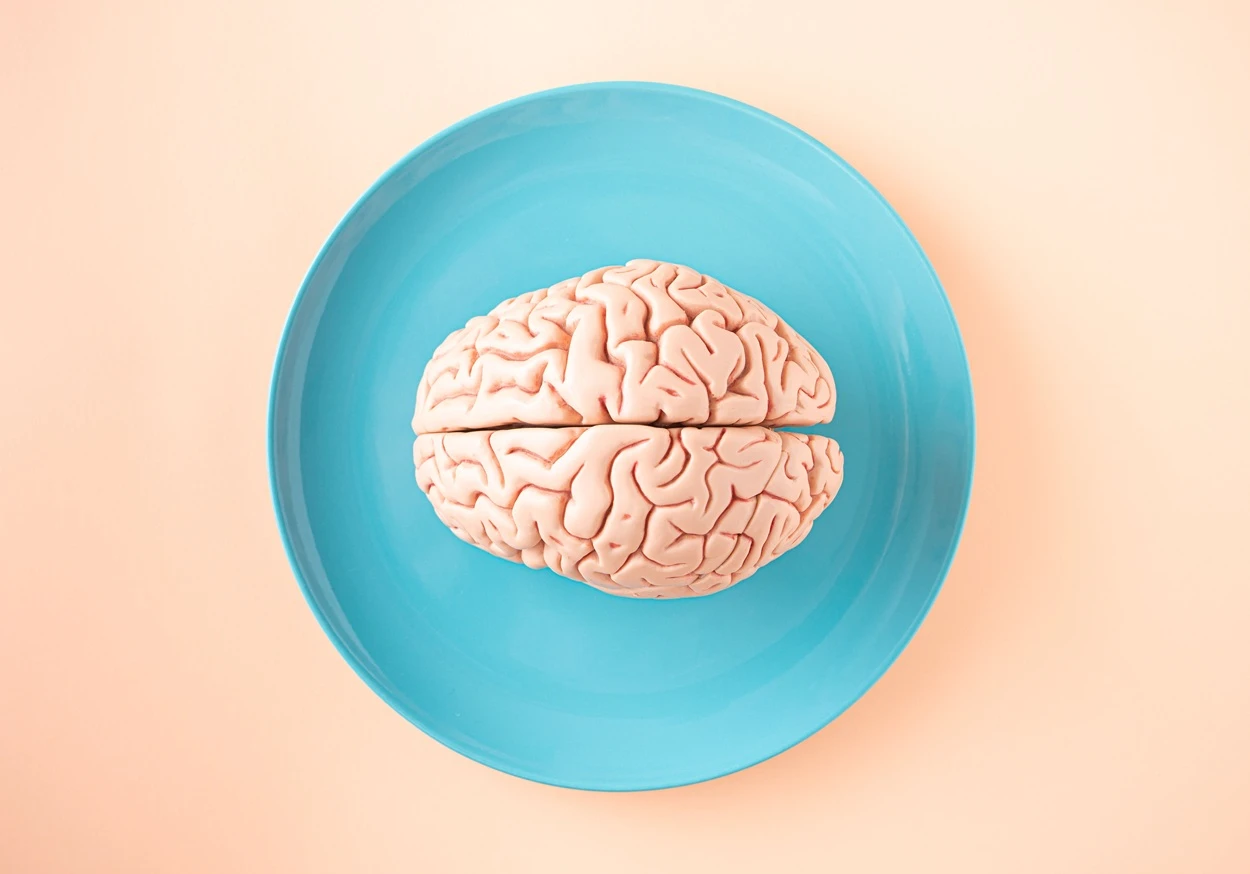


Memory is not supported by one food or one capsule. It depends on a steady supply of nutrients that help brain cells communicate, manage energy, and respond to daily demands. This guide answers what nutrients support brain health and memory, with practical food ideas for students, working adults, families, and older adults.
It also explains where brain health supplements may fit. The goal is not a quick fix. It is a useful brain health diet built from varied, nutrient-rich foods.
Your brain needs fuel and raw materials throughout the day. Nutrients for brain function help support cell structure, nerve signalling, and normal cognitive function. When nutrient intake is low, these processes may not work as well.
Memory support also relies on the full dietary pattern. A varied plate gives the brain protein, healthy fats, vitamins, minerals, and fibre. This is more useful than focusing on a single nutrient alone.
The gut and brain communicate in many ways. Fibre, prebiotics, and probiotics support the gut microbiome. Foods such as whole grains, vegetables, fruits, and fermented foods can help add these elements to a brain health diet.
Insight Corner: The case for building a nutrition base first.
Regular meals with fibre, protein, and healthy fats can create a stronger nutrition base than relying on one isolated ingredient.
EPA and DHA are omega-3 fats found in fatty fish. They support flexible cell membranes, which matter for learning and memory. Include fatty fish as part of your regular food routine.
Vitamin B6 supports normal brain processes. It is one of the B vitamins linked with cognitive function and can be obtained through a varied diet.
Vitamin B12 is another important B vitamin for brain function. It is often discussed in relation to long-term memory and normal nerve function.
Folate works alongside other B vitamins. Leafy greens and other varied foods can contribute folate to daily meals.
Vitamin K is found in leafy green vegetables. Adding greens to meals is a practical way to include this nutrient in a brain-supportive eating pattern.
Lutein is also found in leafy greens. It belongs in a varied diet that includes colourful vegetables and other plant foods. Spinach and kale are among the most practical sources of lutein in everyday meals.
Vitamin C is an antioxidant vitamin. Antioxidants help the body manage oxidative stress. Fruits and vegetables offer useful food sources.
Vitamin E is another antioxidant nutrient. Including a range of nutrient-dense foods helps broaden antioxidant intake without depending on one food.
Beta carotene is found in colourful plant foods. It is part of the wider antioxidant group that supports a diet focused on whole foods. Orange and yellow vegetables such as carrots and sweet potatoes are particularly rich sources.
Choline is distinct from B vitamins, though it is often discussed beside them. It supports neurotransmitter production, which is part of how brain cells communicate. Eggs are a practical choline-containing food.
Magnesium is a mineral involved in cognitive function. It also fits into wider routines that support stress management, sleep, and daily brain function.
Zinc is another mineral included in the vitamins-and-minerals approach to brain health. A varied diet helps cover a broader range of mineral needs. Legumes, seeds, and whole grains are practical everyday sources of zinc.
Iron is also important for cognitive function. Avoid self-diagnosing a deficiency. If you have persistent concerns about low energy or memory changes, speak with a qualified health professional.
Brain boosting foods do not need to be unusual. Start with familiar options and rotate them across the week. Eggs provide choline. Fatty fish provides omega-3 fats. Leafy greens provide Vitamin K, lutein, and folate. Whole grains add fibre that supports the gut-brain connection.
Colourful fruits and vegetables can add Vitamin C, beta carotene, and other antioxidant compounds. Fermented foods can also complement a diet that includes prebiotic fibre. The simple aim is variety across meals, not perfection at every meal.
Students may benefit from regular meals that include whole grains, eggs, leafy greens, fruit, and protein-rich foods. Skipping meals can make it harder to maintain a steady eating routine during long study days.
Working adults can focus on portable food choices. Eggs, fruit, whole-grain meals, leafy vegetables, and fish-based meals can help make brain health tips easier to use during busy weeks.
For kids, food-first variety is a sensible focus. Build meals around familiar foods from different groups. Avoid giving children supplements for memory improvement without guidance from a qualified health professional.
For seniors, B vitamins, omega-3 fats, leafy greens, and mineral-rich foods remain relevant parts of a balanced diet. Age-specific supplement use and dosing should be discussed with a health professional.
Whole foods offer nutrients in a broader food matrix. They also provide fibre, protein, and other compounds that a single supplement may not contain. Brain health supplements may be considered when diet alone does not meet an individual need, but they are not a replacement for meals.
Supplement evidence and trial contexts should be interpreted carefully. A supplement cannot promise cognitive enhancement or cure brain fog. Choose products based on your needs and professional advice.
For breakfast, combine a protein source, fibre-rich carbohydrate, and plant foods. Eggs with leafy greens and whole grains are one option. A meal that includes fruit and a whole-grain base is another. This framework can provide choline, fibre, vitamins, and minerals in one sitting.
Wellbeing Nutrition is built around Superior ingredients, highly absorbable formats, palatable flavors—principles reflected in products like its Triple Magnesium Complex, which is formulated to support cognition, muscle function, stress reduction, and sleep as part of a wider wellness routine.
Eat regular, balanced meals rather than relying on one large meal late in the day. Include fatty fish and leafy greens in your food rotation. Add whole grains, vegetables, fruits, and fermented foods for fibre and gut support.
Build breakfasts around protein, fibre, and plant foods. Stay hydrated through the day. Support your nutrition routine with sleep and movement. These habits work together and can support daily brain function.
There is no single food that solves inflammation-related concerns. Still, a food pattern with omega-3-rich fish, leafy greens, colourful produce, whole grains, and fibre-rich foods can be a practical choice. These foods supply antioxidants, healthy fats, and nutrients already linked with brain health.
Limit the urge to chase a single "brain food." A consistent, varied pattern is more realistic and supports both memory support and general nutrition.
Omega-3 fats, B vitamins, and choline are commonly linked with memory-related brain processes. Fatty fish, eggs, leafy greens, and varied whole foods are practical sources.
Vitamin B6, Vitamin B12, folate, Vitamin K, Vitamin C, and Vitamin E all have roles within a brain-supportive diet. Leafy greens, fruits, vegetables, and varied meals can help provide them.
A balanced breakfast can include eggs, leafy greens, whole grains, and fruit. This combination provides choline, fibre, vitamins, and minerals.
Focus on a varied pattern that includes fatty fish, leafy greens, colourful fruits and vegetables, whole grains, and fibre-rich foods. These choices provide omega-3 fats and antioxidants.
Eat regular, balanced meals; include fatty fish and leafy greens in your food rotation; add whole grains, vegetables, fruits, and fermented foods for fibre and gut support; build breakfasts around protein, fibre, and plant foods; stay hydrated through the day; support your nutrition routine with sleep; and incorporate regular movement. These seven habits work together to support daily brain function.
What nutrients support brain health and memory? The answer includes omega-3 fats, B vitamins, Vitamin K, lutein, antioxidant vitamins, choline, magnesium, zinc, iron, and gut-supporting fibre. Build meals around whole foods first, then consider supplements carefully when appropriate. Wellbeing Nutrition offers wellness products designed to fit into a thoughtful routine, not replace the foundations of a balanced diet.




Someone sent you


