How Sleep Strips Work: A Step-by-Step Guide to Oral Dissolving Strips
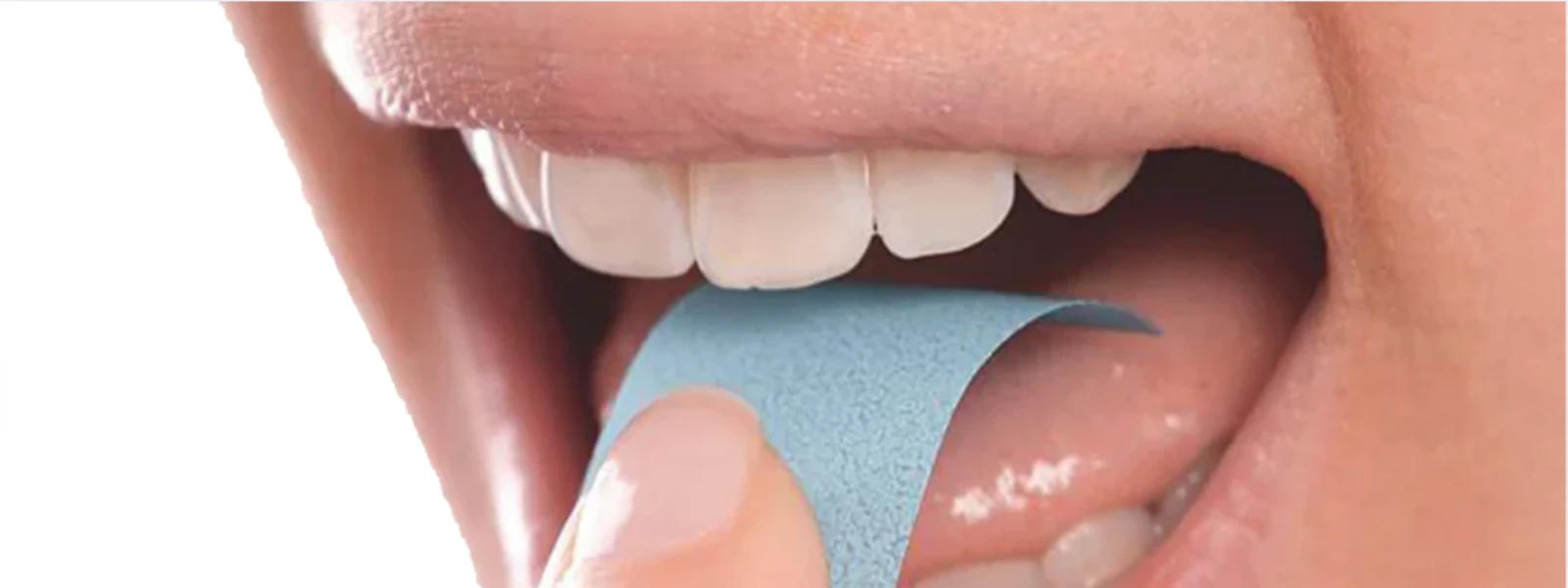


Sleep support can come in many forms. Oral dissolving strips are one such format. They are not nasal strips or mouth tape. Instead, they are thin supplement films placed in the mouth. This guide explains how do sleep strips or oral dissolving strips work, what they may contain, and how to assess them carefully.
Oral dissolving sleep strips are thin films designed to dissolve in the mouth. They hold active and inactive ingredients in a small, flexible layer. The active ingredients may be intended to support relaxation or sleep.
Unlike a tablet or gummy, a strip does not need water. You place it on the tongue or against the inside of the cheek. Saliva wets the film, and the film breaks down.
Oral dissolving strips are a supplement delivery format. They dissolve and release ingredients in the mouth.
Mouth tape is a physical adhesive strip. It is used to keep the lips closed during sleep.
Nasal strips are physical bands placed across the nose. They are designed to support nasal airflow. Neither mouth tape nor nasal strips delivers supplement ingredients.
First, remove one strip with dry hands. Place it as directed on the label. Many dissolvable sleep strips sit on the tongue. Others may be placed against the cheek.
Next, saliva begins to hydrate the film. The film matrix softens and separates. Its ingredients are released into the mouth.
Some ingredients may be absorbed through oral tissues. The rest may be swallowed with saliva. Dissolution time and onset can vary by formula, placement, and the ingredients used. Product directions should state how and when to use the strip.
Sublingual means under the tongue. Buccal means against the inner cheek. These areas have moist tissues and a blood supply. Some compounds can enter through these tissues.
This route may reduce first-pass metabolism for ingredients absorbed through the mouth. First-pass metabolism is processing that can occur after an ingredient is swallowed and reaches the liver. Still, not every ingredient is absorbed this way. A strip can also be swallowed as it dissolves.
Insight Corner: The Strip Is the Vehicle, Not the Driver
A sleep strip's purpose depends on its active ingredients, their amounts, and its label directions. The film is a delivery method, not a guarantee of a sleep effect.
Sleep strip ingredients vary widely. Some formulas may include melatonin, L-theanine, or herbal extracts. The exact ingredients and amounts should always come from the product label. Do not assume that two oral strips for sleep contain the same formula.
Read the Supplement Facts panel for active ingredients and serving size. Then read the other ingredients list. This helps you separate the compounds intended for the formula's purpose from the materials that make the strip work.
A dissolvable film needs a base that can hold ingredients and break down with saliva. Formulas may use polymers to form the film. They may also include plasticizers to keep it flexible and taste-masking ingredients for flavor.
These inactive ingredients matter, especially for people with sensitivities or dietary preferences. Check the full label before use.
The main sleep strips benefits relate to convenience. A strip is small, light, and does not require water. This can suit travel or a busy evening routine.
Each strip can provide a defined serving when used as directed. The thin format can also be easier for people who dislike swallowing pills. Because the strip starts dissolving in the mouth, it offers a different experience from capsules, tablets, and gummies.
Portability does not replace good storage. Heat and moisture can affect thin films. Keep the package sealed until use.
Sleep strip side effects depend mainly on the active ingredients. For example, melatonin may cause next-day grogginess for some people. Ingredients may also interact with medicines or other supplements.
Flavorings, sweeteners, or film materials can also matter for people with sensitivities. Review both active and inactive ingredients. Follow the serving directions. Do not combine several sleep aids without checking the labels and seeking advice from a qualified healthcare professional when needed.
People who are pregnant, breastfeeding, managing a health condition, or taking regular medicines should seek professional guidance before using a sleep supplement.
Start with the product label. It should explain placement, serving size, and suggested timing. Use dry hands to remove the strip. Place it where directed and allow it to dissolve.
Avoid handling the film for longer than needed. Do not use more than the stated serving. Store the package in a cool, dry place and keep it closed. If a strip looks damaged, stuck together, or exposed to moisture, do not use it.
For a consistent routine, use the same timing pattern when appropriate. Oral strips for sleep are designed for supplement delivery. They do not directly address snoring or blocked nasal airflow.
The best sleep strips for an individual are not defined by format alone. Look for a clear ingredient list and stated amounts. Check whether the label explains the serving size and use instructions.
Also consider third-party testing information when it is available. Review the film's expected dissolution time, flavor, storage needs, and inactive ingredients. Sleep strip reviews can describe taste or ease of use, but they cannot replace label reading.
Choose a product with details you can understand. Superior ingredients, highly absorbable formats, palatable flavors are markers worth looking for. Ingredient transparency supports informed decisions.
Snoring clips are nasal devices. They differ from oral dissolving sleep strips because they do not deliver supplement ingredients. Their purpose relates to the nose, while sleep strips are placed in the mouth.
Mouth tape is a physical strip intended to keep the mouth closed. It is not a dissolvable supplement strip. Its safety can depend on a person's breathing and health needs, so professional guidance may be useful.
Snoring can have different causes. Nasal strips, mouth tape, and lifestyle changes serve different purposes. Oral dissolving sleep strips target sleep support ingredients, not snoring directly.
Nasal strips and oral dissolving strips are different products. Guidance for nasal strip use should come from that product's label. It does not apply to dissolvable sleep supplements.
Oral dissolving sleep strips are thin supplement films that dissolve in the mouth. Their benefits are mostly linked to convenience, portability, and no-water use. Check active and inactive ingredients, use directions, and safety details before choosing a formula. Wellbeing Nutrition focuses on Superior ingredients, highly absorbable formats, palatable flavors for people building thoughtful wellness routines.




Someone sent you


