When to Take Ashwagandha: Maximize Benefits for Sleep & Calm
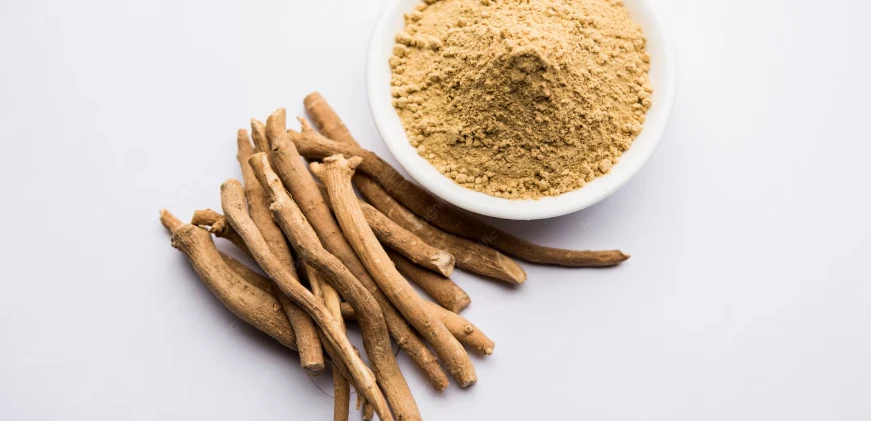


Ashwagandha timing is often framed as a morning or night choice. In practice, your goal matters more. Some people seek a calmer evening routine. Others want daytime stress support. This guide explains how to take ashwagandha with timing, form, and safety in mind.
What is the best time of day to take ashwagandha? There is no single answer. Morning and evening are the two most commonly discussed timing windows. Morning use is often linked with energy and stress resilience. Evening use is often linked with calm and sleep goals.
Morning may suit people who want ashwagandha as part of a daytime routine. Some timing discussions connect this choice with the body's cortisol rhythm. A consistent morning schedule is a practical starting point for those with energy or stress resilience goals. Choose a consistent time that fits your day.
Evening may suit those exploring ashwagandha for sleep or ashwagandha for anxiety. Nighttime use is commonly associated with calm and sleep-focused goals. If you try an evening routine, keep the timing steady and note how you feel.
How to take ashwagandha can depend on its form. Ashwagandha capsules offer a simple option for a set routine. Ashwagandha powder can be mixed into a drink. The timing benefits of each form are broadly similar, and consistency matters more than the format you choose.
The outline notes that capsules may be taken with meals for absorption. A meal may also make a supplement routine easier to remember. Follow the product label for serving guidance and meal instructions.
Ashwagandha powder with milk is a common related search. If you use powder, follow its label and choose a drink that fits your routine.
Insight Corner: Consistency Matters
Adaptogens like ashwagandha are generally understood to support the body's stress-response systems through sustained, regular use rather than single doses. Picking a time you can maintain each day is one of the most practical steps you can take to get the most from your routine.
Not all ashwagandha supplements are the same. When looking for the best ashwagandha, consider products that use a standardised extract, carry clean-label certification, and are transparent about their ingredient sourcing. Superior ingredients, highly absorbable formats, and palatable flavors are markers of a quality supplement worth including in your daily routine.
Ashwagandha dosage depends on the product and its label. Always refer to the product directions for the recommended serving size, as formulations vary. Some routines use one daily serving, while others split servings across the day — only follow a split schedule when the product directions support it or a qualified health professional advises it.
Do not assume more is more beneficial. Check the label before combining products. This also helps you track any ashwagandha side effects that may occur.
Consistent, same-time daily use is widely emphasised in wellness research, with many discussions noting that several weeks of regular use are typically needed before people begin to notice changes. Sleep, stress, anxiety, and energy are distinct goals and may not follow the same timeline. Avoid judging a routine after only one use. Keep notes on timing, sleep, mood, and comfort, then discuss concerns with a health professional.
Use this simple map as a planning tool, not a treatment plan.
Goal |
Suggested Timing |
|---|---|
Sleep |
Evening is the timing most closely linked with sleep-focused use. |
Calm or anxiety support |
Evening may fit a wind-down routine. Daytime timing may fit people seeking support during daily stress. |
Energy and stress resilience |
Morning is commonly discussed for this purpose. |
General routine |
Choose the time you can repeat consistently, with meals if your label suggests it. |
Women and men may have different wellness considerations when it comes to ashwagandha. For women, ashwagandha is commonly explored in the context of stress, hormonal balance, and sleep quality, particularly during periods of heightened demand. For men, discussions often centre on stress resilience, energy, and general vitality. In both cases, personal health factors, existing medications, and individual responses can influence how and when ashwagandha fits into a routine. Read the label carefully and seek professional guidance if you have health concerns or use medicines.
Breastfeeding deserves extra caution. Safety data for ashwagandha use during breastfeeding is limited. Do not self-prescribe ashwagandha during this period. Ask your doctor or another qualified health professional first.
Ashwagandha vs ginseng is a common comparison. Yet reliable comparative data on timing, dose, or effects between the two is limited. Do not treat them as interchangeable. Check each product's instructions and avoid building a timing plan on assumptions about the broader adaptogen category.
There is limited evidence that ashwagandha treats migraines. Stress support may be a related interest, but it does not prove migraine benefit. Seek medical advice for recurring or severe migraines.
Safety data for ashwagandha use during breastfeeding is limited. Speak with a qualified health professional before using it while breastfeeding.
Ashwagandha is commonly associated with stress, sleep, anxiety, and energy goals. These are areas of interest, not a guarantee of results or a cure for any condition.
A precise cortisol timeline varies between individuals. Consistent daily timing is the most practical approach. Do not use cortisol expectations to set an unsupervised dose.
The right ashwagandha timing depends on your goal, product form, and daily routine. Morning may suit energy-focused use, while evening may fit sleep and calm goals. Follow the label, avoid unsupported dose changes, and seek advice for breastfeeding or health concerns. Wellbeing Nutrition focuses on its wellness offerings across a range that includes sleep, stress, and cognition support — including options like the Triple Magnesium Complex for those exploring complementary approaches to stress and sleep.




Someone sent you


