A Step-by-Step Guide to Your Ideal Body Fat Percentage
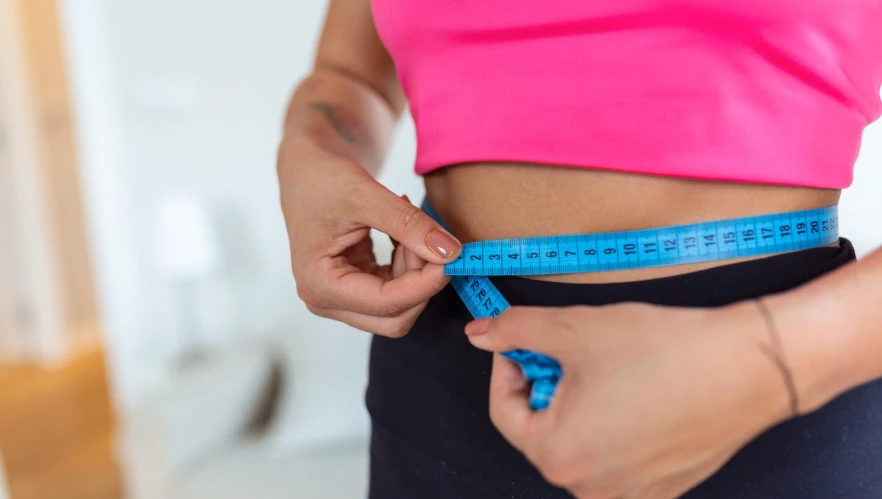


Scale weight cannot show how much of your body is fat, muscle, bone, or water. Body fat percentage can add that missing context. This guide explains what is the ideal body fat percentage for men and women, how ranges change with age, and how to choose a realistic personal target.
Body fat percentage is the share of your total body weight made up of fat tissue. It is one part of body composition. It does not measure health on its own, but it can offer more detail than weight alone.
Essential fat supports normal body function. Men and women both need it. Women generally need more essential fat than men. Storage fat is the energy your body keeps for later use. Very low levels may not suit long-term health or normal function.
BMI uses height and weight. It cannot separate lean body mass from fat mass. A person with more muscle may have a higher BMI without having high body fat. Body fat percentage gives a clearer view of this difference.
Insight Corner
Your ideal body fat is a range, not a single perfect number. Age, sex, activity, and personal goals all matter.
A general healthy body fat percentage for women is 21% to 36%. This broad band is a starting point. Athletic status and age can shift the most suitable point within that range.
Women in their 20s and 30s can use the general 21% to 36% band as a reference. A lower target may suit some active people. It is not required for everyone. Energy, strength, and daily wellbeing also matter.
Body composition may change with age. Hormonal changes can also affect fat distribution. For this reason, the upper part of a healthy range may be more relevant for some women as they get older.
A general healthy body fat percentage for men is 12% to 25%. As with women, this is a guide rather than a personal diagnosis.
Teenagers are still growing. A 16-year-old male should not use adult targets as a strict goal. Growth, development, food intake, and sport demands need careful consideration.
Men in their 40s and older may notice changes in muscle mass and metabolism. Resistance training and taking enough whey protein can support lean body mass and help manage metabolic changes. A target should remain practical and sustainable.
Sex |
Age bracket |
Healthy reference range |
How to use it |
|---|---|---|---|
Women |
20s and 30s |
21% to 36% |
Consider activity and personal goals. |
Women |
40 and older |
21% to 36% |
Age-related changes may shift a suitable target. |
Men |
Adults |
12% to 25% |
Consider activity and lean body mass. |
Men |
Under 20 |
Individual assessment |
Do not treat adult ranges as strict targets. |
This body fat percentage chart uses broad healthy bands. It does not assign precise athletic or excess cutoffs because methods and individual needs vary.
A body fat percentage calculator may use tape measurements, height, weight, age, and sex. It provides an estimate, not a diagnosis. Use the same method each time to track trends.
Skinfold calipers estimate subcutaneous fat, while bioelectrical impedance scales are more convenient but can be affected by hydration levels. A DEXA scan can provide a more detailed body composition reading than tape measures or bioelectrical impedance. Tape measures are simple, though less direct. No method is perfect.
Start with your sex and age. Then consider your activity level, strength goals, daily energy, and whether your goal is to maintain, gain, or reduce body fat. Choose a range that you can support with regular meals, training, rest, and normal life.
Athletic targets are often lower and may require focused training. Fitness targets can suit people who value performance and routine. General health targets focus on a sustainable healthy body fat percentage. Lower is not always better.
Focus on habits that support body composition. Eat enough protein and balanced meals. Include resistance training to support muscle. Add cardio in a way you enjoy. Prioritise sleep and recovery. These habits can support metabolism and help maintain lean body mass.
Wellbeing Nutrition is built around superior ingredients, highly absorbable formats, and palatable flavors, designed to complement—not replace—food, training, and rest.
A general healthy range for women is 21% to 36%. The most suitable target can vary by age, activity level, and athletic status.
Seven percent is below typical essential-fat needs for men. It may occur briefly in elite sport settings, but it is not a general long-term target.
For men, 30% is above the general healthy range. For women, it falls within or near the upper part of the general healthy range, depending on age and context.
A general healthy range for men is 12% to 25%. Age, activity level, and body composition can shape an appropriate personal goal.
The ideal body fat percentage is personal. Broad reference ranges are 21% to 36% for women and 12% to 25% for men. Use one measurement method consistently, focus on trends, and set a goal that supports strength, energy, and a sustainable routine. Explore Wellbeing Nutrition to learn more about nutrition that can support your wider wellness habits.




Someone sent you


